

“`html
Trump Retreat Over Hormuz Tolls Highlights Challenges in Ending Iran War
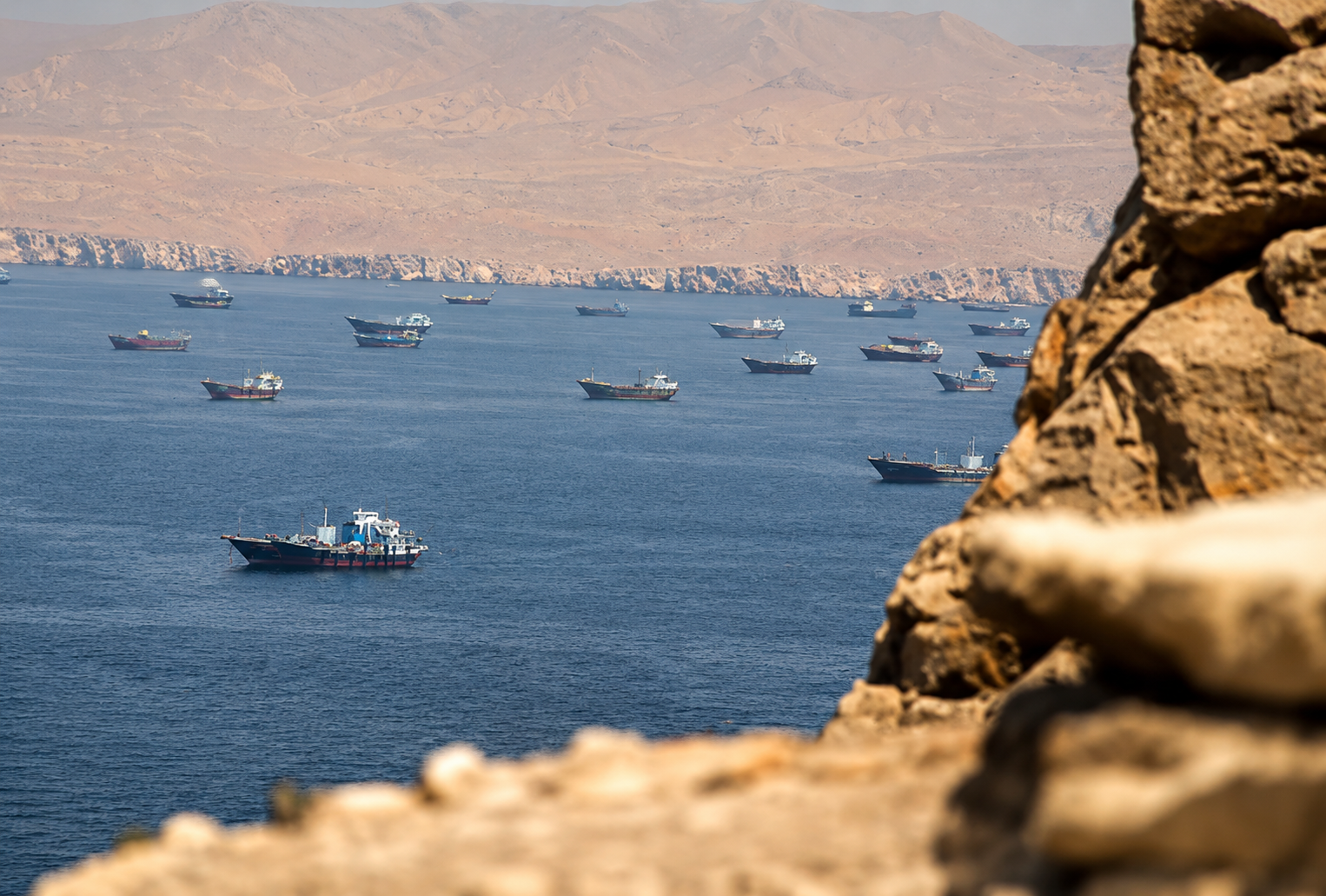
The Trump retreat over Hormuz tolls has raised new questions about the US strategy toward Iran. President Donald Trump initially proposed a 20% fee on ships passing through the Strait of Hormuz. However, he reversed the proposal within a day. Instead, his administration announced plans to strengthen trade and investment partnerships with Gulf allies.
This sudden policy change has created uncertainty about Washington’s long-term plans in the Middle East. Military exchanges between the United States and Iran also continue. Earlier ceasefire agreements and diplomatic efforts have not fully resolved the tensions.
Trump Drops Hormuz Toll Proposal
On Monday, President Trump announced on Truth Social that commercial vessels using the Strait of Hormuz would face a 20% security fee. The proposal included ships from allied nations. Trump said the fee would compensate the United States for protecting one of the world’s most important shipping routes.
However, the administration abandoned the proposal less than 24 hours later. Trump instead discussed broader trade and investment agreements with Gulf partners. He also indicated that the United States would continue providing maritime security in the region.
The rapid reversal surprised analysts. The proposal also contradicted earlier US policy. Only weeks before, US Secretary of State Marco Rubio had argued that no country could legally charge tolls on international waterways. This included the Strait of Hormuz.
Ongoing Conflict Continues Despite Earlier Agreement
The latest developments also highlight the weakness of the earlier US-Iran Memorandum of Understanding. Both governments signed the agreement after months of conflict. It aimed to reduce military tensions, reopen commercial shipping routes and establish a framework for future negotiations.
Both governments initially presented the agreement as a diplomatic success. However, recent military strikes have raised doubts about its effectiveness. Several important provisions now appear to have collapsed.
Following renewed attacks on shipping in the Gulf, the United States resumed military operations against Iranian targets. Iran responded with additional missile and drone attacks. These attacks targeted regional allies and commercial vessels.
As a result, shipping through the Strait of Hormuz has become increasingly dangerous. The situation has also created fresh uncertainty in global energy markets.
Military Success Has Not Produced Political Results
US military officials say repeated strikes have weakened Iran’s military infrastructure. These operations have targeted missile systems, naval facilities and command centres. However, military gains have not necessarily produced the desired political results.
Iran still has the ability to threaten commercial shipping through the Strait of Hormuz. This creates a difficult challenge for the United States. Washington must protect international trade while avoiding a much larger regional conflict.
Security analysts believe military operations alone cannot resolve the wider political disagreements. These include Iran’s regional influence, nuclear ambitions and control over important maritime routes.
Experts Say the Conflict Has Returned to Square One
Foreign policy experts believe Washington and Tehran have returned to the difficult position they faced before the ceasefire agreement. Recent developments have weakened the diplomatic progress made by both countries.
Rosemary Kelanic, Director of the Middle East Programme at Defense Priorities, argues that the Memorandum of Understanding has effectively collapsed. She points to the reversal of several key commitments as evidence of this breakdown.
The agreement aimed to reduce tensions and restore commercial shipping through the Strait of Hormuz. It also sought to encourage investment in Iran and gradually ease sanctions. However, renewed military strikes have undermined these objectives.
The return of the US naval blockade and continued attacks on shipping have added further pressure. Kelanic believes the conflict has entered a war of attrition. Neither side appears willing to make enough compromises to achieve a lasting settlement.
Political and Economic Pressure Is Growing
President Trump must also consider the domestic political consequences of the conflict. Rising oil prices remain a major concern for the United States. Any disruption to shipping through the Strait of Hormuz can affect global energy markets.
Nearly one-fifth of the world’s oil passes through this important waterway. Therefore, prolonged shipping disruptions could have significant economic consequences.
Following Trump’s announcement about reinstating the naval blockade, international oil prices recorded one of their largest single-day increases in several years. This development added to concerns about global energy supplies.
Recent US inflation data showed encouraging signs. However, another prolonged Middle East conflict could increase fuel prices and transportation costs. American consumers could also face additional financial pressure before the upcoming congressional elections.
Political analysts say the administration faces a difficult balancing act. It must pursue its military objectives while protecting domestic economic stability.
Military Pressure Alone May Not End the Crisis
Experts also question whether additional military operations can change Iran’s position. Throughout the conflict, US forces have targeted missile facilities, naval assets, radar installations and command centres.
These strikes have reduced some of Iran’s military capabilities. However, they have not persuaded Tehran to abandon its strategic goals. This raises questions about the long-term effectiveness of military pressure.
Attention has also shifted toward Iran’s heavily protected nuclear facilities. These include the underground Pickaxe Mountain research complex. Defence specialists remain divided over whether conventional air strikes could significantly damage such deeply buried infrastructure.
Many analysts believe military action cannot resolve every disagreement. The nuclear programme, regional influence and future control of the Strait of Hormuz remain major obstacles.
Negotiations May Continue Despite Rising Tensions
Despite renewed hostilities, diplomatic efforts have not completely ended. Some foreign policy experts believe negotiations could eventually resume. This may happen if both countries conclude that continued conflict does not serve their long-term interests.
However, another ceasefire would not automatically resolve the underlying disagreements. Both countries would still need to address maritime security, economic sanctions, regional influence and Iran’s nuclear activities.
These issues remain major obstacles to a comprehensive peace agreement. Any lasting settlement would require progress on several difficult political and security questions.
Conclusion
The Trump retreat over Hormuz tolls highlights the growing complexity of the US-Iran conflict. It does not necessarily indicate a clear move toward peace. Washington continues its military operations, while Tehran maintains pressure around the Strait of Hormuz.
Neither side has achieved all its broader political objectives. Diplomatic negotiations remain possible, but earlier agreements have faced serious challenges. Renewed military exchanges have also increased uncertainty across the region.
Both governments must find common ground on maritime security, regional stability and nuclear issues. Without meaningful progress on these matters, the conflict could remain a major geopolitical challenge for the Middle East and the wider international community.
“`