


Why Keyword Research Matters in Modern SEO
Keyword research is the foundation of every successful SEO strategy. It helps you understand what people are searching for and how to align your content with their needs. A strong approach to keyword planning can significantly improve your website’s visibility and organic traffic.
Have you ever published content that never ranked, even after putting in hours of effort? This is the same problem marketers faced in the early days of search engines, when keyword guessing replaced data-driven research. Today, ignoring keyword strategy means missing out on massive search traffic opportunities.
In this guide, you will learn how to use smart tools and strategies to discover high-ranking keywords, analyze competition, and build SEO-friendly content that performs well in search engines.
What a Keyword Generator Is and Why You Need It

A keyword generator is a tool that helps users discover relevant search terms based on a seed keyword. It simplifies the process of finding new ideas by analyzing search patterns and suggesting variations that people actively search for online. One of the most effective ways to streamline SEO research is to use a keyword generator, which reduces guesswork and improves the accuracy of content planning.
A keyword generator is especially useful for beginners who may not fully understand search trends. It provides instant suggestions that can be used to build content strategies, blog posts, or product pages. Platforms like Web Tool Hub offer easy-to-use solutions that help marketers find opportunities quickly and efficiently.
How Keyword Generators Help You Discover Ranking Opportunities
A keyword generator works by analyzing large datasets of search queries and identifying patterns that indicate user interest. It helps uncover hidden opportunities that are not always obvious through manual research. This makes it easier to target low-competition keywords that can still bring significant traffic.
For example, instead of guessing what your audience wants, you can rely on structured data provided by tools like a keyword generator tool to make informed decisions. This ensures that your content strategy is based on real search behavior rather than assumptions.
Setting Up Your First Keyword Research Process
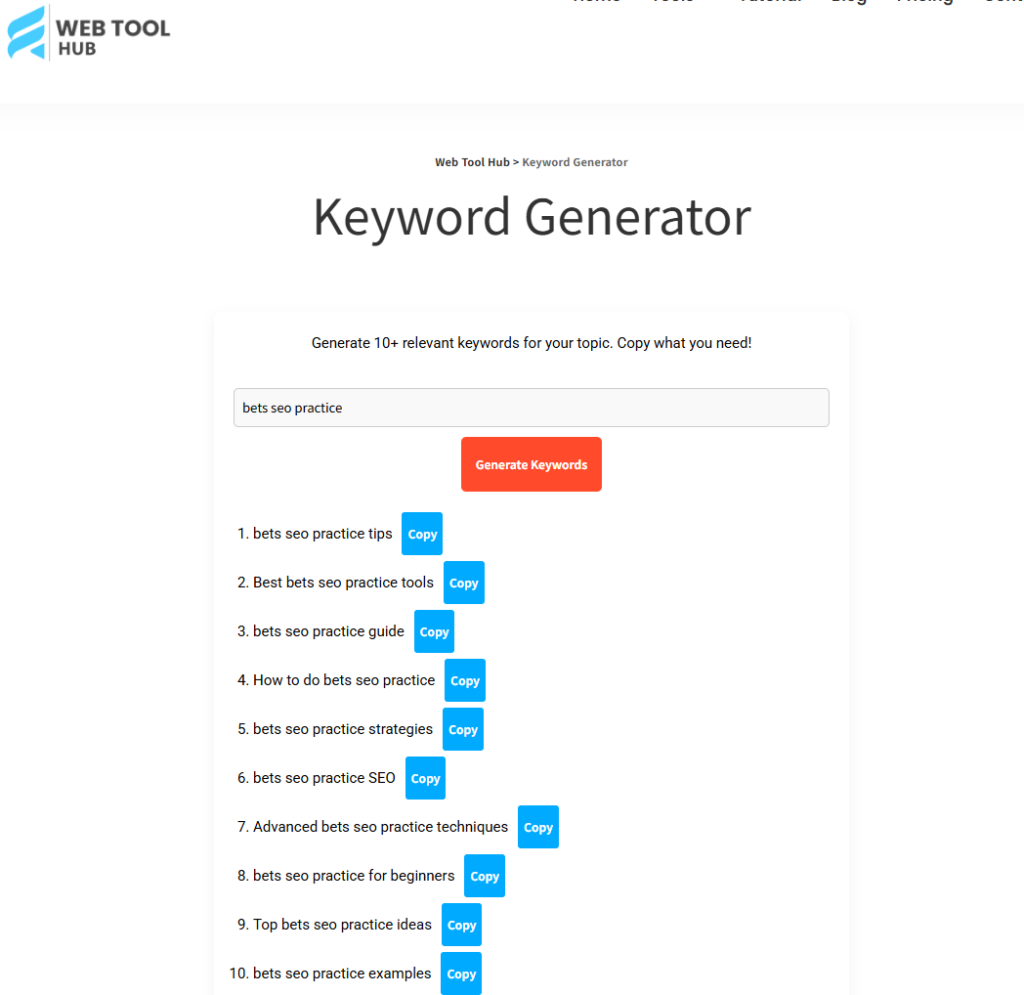
Before starting your keyword research journey, it is important to define your niche and target audience. Once you have a clear understanding of your goals, you can begin using tools like a free keyword generator to collect initial keyword ideas.
Organizing your workflow early helps you avoid confusion later. Start by entering a seed keyword, reviewing suggestions, and categorizing them based on relevance and intent. This process creates a strong foundation for your SEO strategy.
Finding High-Ranking Keywords Using Search Suggestions
Search suggestions are one of the easiest ways to discover keyword opportunities. Platforms like an online keyword generator provide real-time suggestions based on user search behavior. These suggestions often include long-tail variations that are easier to rank for.
By analyzing these suggestions, you can identify keywords with strong potential and low competition. This step is essential for building a content strategy that focuses on achievable ranking goals.
How to Filter Keywords Based on Search Volume and Competition

Not all keywords are equally valuable. Some have high search volume but intense competition, while others may be easier to rank for. Using a keyword suggestion tool allows you to filter results based on difficulty, relevance, and search demand.
Filtering ensures that you focus only on keywords that align with your website’s authority and goals. This improves your chances of ranking higher in search results without wasting time on overly competitive terms.
Identifying Long-Tail Keywords for Better Rankings
Long-tail keywords are highly specific search phrases that usually contain three or more words. These keywords are easier to rank for and often bring more targeted traffic. A keyword ideas generator can help you uncover these valuable phrases quickly.
Long-tail keywords are particularly useful for new websites because they face less competition. By focusing on them, you can gradually build authority and improve your rankings over time.
Understanding User Intent Behind Keyword Searches
User intent refers to the reason behind a search query. Understanding this is crucial for creating content that matches what users are looking for. A SEO keyword generator can help identify intent-based keywords such as informational, navigational, or transactional queries.
When you align your content with user intent, you improve engagement and reduce bounce rates. This also signals to search engines that your content is valuable and relevant.
Competitor Keyword Analysis Using Keyword Tools
Analyzing competitors is an effective way to discover new keyword opportunities. A blog keyword generator allows you to study the keywords your competitors are ranking for and identify gaps in your own strategy.
By understanding what works for others in your niche, you can refine your content approach and target underutilized keywords that still have strong potential.
Organizing Keywords into Topics and Content Clusters

Once you have collected keywords, the next step is organizing them into clusters. A website keyword generator can help categorize keywords based on themes and relevance.
Content clusters improve SEO by creating structured topic authority. Instead of publishing isolated articles, you build interconnected content that strengthens your overall rankings.
How to Turn Keywords into SEO-Optimized Content Ideas
A keyword research generator helps convert raw keyword data into actionable content ideas. By analyzing search intent and relevance, you can create blog posts, guides, and landing pages that directly address user needs.
For example, if you discover trending keywords in your niche, you can turn them into detailed articles that attract consistent organic traffic.
Tips to Improve Rankings with Strategic Keyword Placement
Keyword placement plays a key role in SEO optimization. A keyword generator for blog posts can help you identify where to naturally include keywords in your content for maximum impact.
Avoid keyword stuffing and focus on natural integration within headings, introductions, and body paragraphs. This ensures better readability and search engine performance.
How to Generate Keywords for SEO Effectively
Learning how to generate keywords for SEO is essential for building a strong digital presence. It involves using data-driven tools, analyzing trends, and understanding audience behavior. Modern tools like an AI keyword generator make this process faster and more accurate by providing intelligent keyword suggestions based on machine learning.
Advanced Strategies for Keyword Optimization

Using a best keyword generator online helps marketers discover high-value opportunities that are often missed in manual research. Advanced strategies include combining keyword data with content gaps and seasonal trends. These techniques help improve visibility and drive consistent traffic growth over time.
Keyword Planning for Different Platforms
Different platforms require different keyword strategies. A free AI keyword generator tool can help tailor keywords for blogs, websites, and social media platforms. For example, YouTube content requires conversational keywords, while websites need more structured SEO-focused terms.
Content Creation Using Keyword Tools
A keyword generator for content writing helps writers develop structured articles that are optimized for search engines. It ensures that content remains relevant, engaging, and aligned with user queries.
By using these tools, content creators can save time while improving quality and SEO performance.
SEO Growth Through Smart Keyword Strategies
A keyword generator for SEO optimization helps businesses build long-term visibility by targeting relevant search terms consistently. It plays a crucial role in driving organic traffic and improving domain authority.
Companies that use structured keyword strategies often outperform competitors in search rankings.
Automation in Keyword Research
An automatic keyword generator tool simplifies SEO work by generating keyword lists instantly. This automation reduces manual effort and increases efficiency for marketers and content creators.
Keyword Strategy for Digital Marketing Channels
A keyword generator for YouTube helps creators optimize video titles and descriptions for better reach. Similarly, a keyword generator for website traffic improves visibility across search engines.
Each platform requires a unique keyword approach for maximum effectiveness.
Improving Search Engine Rankings with Keywords
A keyword generator for Google ranking plays a vital role in improving visibility on search engines. By targeting relevant, high-performing keywords, websites can achieve higher rankings and attract consistent traffic.
Conclusion: Building SEO Success with Smart Keyword Research
In conclusion, keyword research is the backbone of an effective SEO strategy. Using tools like Web Tool Hub allows marketers to discover valuable opportunities and build content that performs well in search engines. A reliable keyword generator streamlines the process, making it easier to find high-ranking terms and optimize content effectively. When used consistently, a keyword generator becomes an essential part of long-term SEO success, helping websites grow traffic, authority, and visibility over time.