

US Signs Landmark Nuclear Deal with Saudi Arabia as Civilian Nuclear Partnership Expands
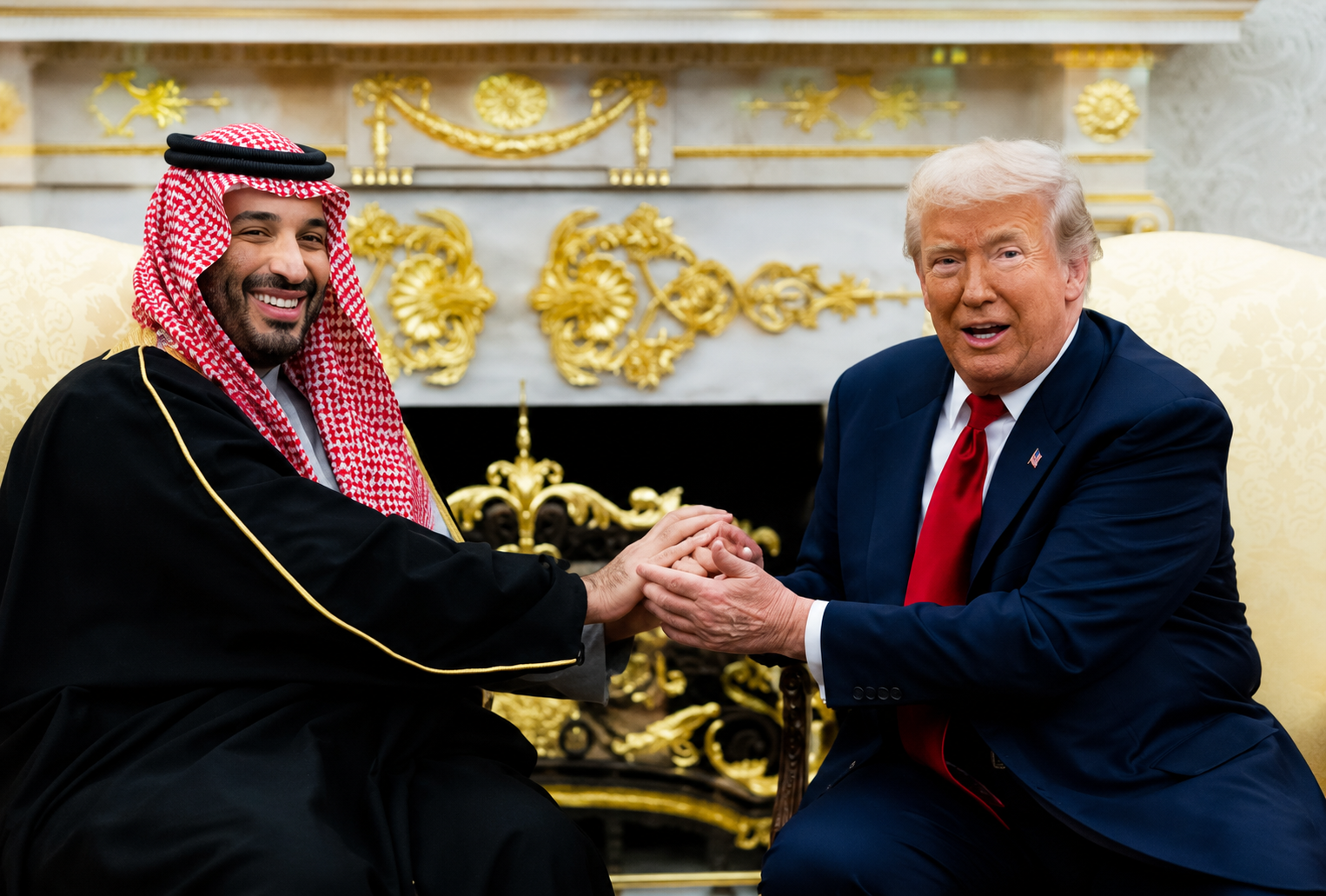
The US Signs Landmark Nuclear Deal with Saudi Arabia agreement marks one of the most significant developments in Middle East diplomacy and energy cooperation in recent years. The United States and Saudi Arabia have officially signed a civilian nuclear cooperation agreement that could pave the way for the Gulf kingdom to develop its own nuclear energy programme while strengthening long-term economic and strategic ties between the two countries.The agreement, described by the US Department of Energy as a peaceful nuclear cooperation partnership, establishes the legal framework for decades of collaboration in nuclear technology, research, investment, and energy infrastructure. While both governments insist the programme is intended solely for civilian purposes, reports suggesting Saudi Arabia could eventually enrich uranium have sparked international debate about regional security and nuclear proliferation.
US and Saudi Arabia Finalise Historic Nuclear Agreement
The newly signed agreement represents a milestone in US-Saudi relations and creates a long-term partnership focused on civilian nuclear energy development. According to the US Department of Energy, the cooperation will provide American companies with expanded opportunities to participate in Saudi Arabia’s growing nuclear energy sector.Officials said the agreement supports both economic development and strategic cooperation while maintaining commitments to nuclear safety and international non-proliferation standards.Alongside the cooperation agreement, both countries also signed a bilateral safeguards arrangement designed to regulate nuclear activities and ensure international oversight throughout the programme.US officials described the partnership as a multi-billion-dollar opportunity that strengthens American leadership in civilian nuclear technology while expanding cooperation with one of its closest Middle Eastern allies.
Agreement Could Open Door to Uranium Enrichment
Although the full text of the agreement has not yet been released publicly, several US media reports indicate that Saudi Arabia could eventually receive permission to enrich uranium within its own territory.If approved in the future, uranium enrichment would allow Saudi Arabia to produce nuclear fuel domestically rather than importing it from abroad.Enriched uranium is commonly used as fuel for civilian nuclear power plants. However, experts also note that highly enriched uranium can potentially be used in the development of nuclear weapons, making the issue particularly sensitive.Should Saudi Arabia eventually receive enrichment rights, it would represent an unprecedented step in American nuclear cooperation policy because the United States has traditionally avoided supporting domestic uranium enrichment programmes in partner nations.
Washington Says Agreement Supports Peaceful Nuclear Development
US Energy Secretary Chris Wright defended the agreement by stressing that the partnership is designed around peaceful nuclear energy production and follows strict international safeguards.According to the Energy Department, the programme is intended to strengthen regional energy security, promote advanced American nuclear technology, and create long-term commercial opportunities for US companies.Officials also argued that maintaining American involvement helps ensure Saudi Arabia develops its nuclear sector under internationally recognised safety standards instead of seeking assistance elsewhere.The department emphasised that the agreement supports both economic growth and regional stability while reinforcing America’s competitive position in the global civilian nuclear industry.
Saudi Arabia Describes Deal as Expansion of Existing Energy Cooperation
Saudi Arabia welcomed the agreement and said it builds upon decades of cooperation between Riyadh and Washington in the energy sector.Saudi officials noted that discussions surrounding peaceful nuclear cooperation have continued for several years and accelerated following high-level meetings between Saudi leadership and US officials.The kingdom views civilian nuclear energy as part of its long-term economic diversification strategy, reducing dependence on oil while increasing domestic electricity production through alternative energy sources.Saudi Arabia has repeatedly stated that its objective is to establish a peaceful nuclear energy programme capable of meeting growing national energy demand while supporting future industrial expansion.
Regional Conflict Adds Greater Importance to the Agreement
The announcement comes during renewed military tensions involving the United States and Iran, placing additional international attention on the agreement.The nuclear issue has remained central to regional security discussions after recent conflict involving Iran, with Washington maintaining that preventing nuclear weapons proliferation remains a key strategic objective.Saudi Arabia also faces increasing regional security challenges as Iranian-backed groups continue targeting allies and commercial shipping throughout the Middle East.Against this backdrop, the civilian nuclear partnership carries both economic and geopolitical significance, strengthening cooperation between Washington and Riyadh while reshaping strategic relationships across the Gulf.
International Experts Raise Nuclear Proliferation Concerns
While both governments have described the agreement as a peaceful energy partnership, nuclear experts and non-proliferation advocates have expressed concern over reports that Saudi Arabia could eventually be allowed to enrich uranium on its own soil. Rosemary Kelanic, Director of the Middle East Programme at the US-based Defense Priorities think tank, said such a move would represent a significant departure from longstanding US nuclear policy.She noted that Washington has historically avoided helping partner countries establish domestic uranium enrichment facilities because the same technology used to produce reactor fuel can also be adapted for military purposes if safeguards fail.According to Kelanic, allowing enrichment capabilities could increase long-term proliferation risks in an already volatile region.
Israel Watches the Agreement Closely
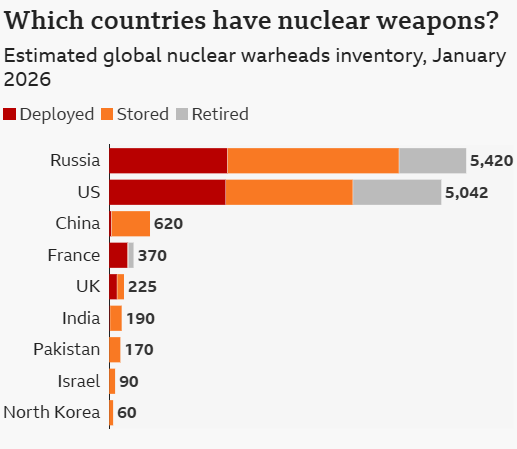
Israel, America’s closest ally in the Middle East, has also been monitoring developments surrounding the agreement.Although Israel has not officially opposed Saudi Arabia’s peaceful nuclear ambitions, several Israeli experts have questioned whether the deal could eventually shift the regional balance of power.Israeli Economy Minister Nir Barkat stated that Israel could accept Saudi Arabia developing civilian nuclear energy provided the programme remains exclusively peaceful and subject to strict international monitoring.Israel is widely believed to possess nuclear weapons, although it has never officially confirmed or denied those reports.
US Officials Reject Claims the Deal Could Lead to Nuclear Weapons
US Secretary of State Marco Rubio dismissed concerns that the agreement could enable Saudi Arabia to pursue nuclear weapons.Rubio stressed that Washington would never approve any arrangement that increases the risk of nuclear proliferation.According to him, every aspect of the partnership will comply with international safety regulations, legal safeguards and oversight mechanisms designed to prevent military use of nuclear technology.US officials insist the agreement focuses solely on civilian electricity generation, scientific cooperation and energy security.
Congressional Review Could Trigger Political Debate
Before taking full effect, the agreement must undergo review by the US Congress.Although President Donald Trump’s Republican Party currently controls both chambers of Congress, several lawmakers from both political parties are expected to question parts of the agreement.Some Democratic lawmakers have criticised the proposal, arguing that Saudi Arabia should not receive expanded nuclear technology given ongoing regional tensions.Senator Edward Markey accused the administration of sending conflicting signals by opposing Iran’s nuclear ambitions while simultaneously expanding nuclear cooperation with Saudi Arabia.Supporters of the agreement, however, argue that close American involvement provides greater transparency and stronger safeguards than allowing Riyadh to seek assistance from rival global powers.
Comparison with the UAE Nuclear Agreement
Analysts have also compared the Saudi agreement with the civilian nuclear deal signed between the United States and the United Arab Emirates in 2009.Under that arrangement, the UAE agreed not to enrich uranium or reprocess nuclear fuel domestically, relying instead on imported fuel supplies while accepting additional international restrictions.If Saudi Arabia ultimately receives permission to enrich uranium, it would become the first country to receive such flexibility under a US civilian nuclear cooperation framework.That distinction has become one of the most debated aspects of the agreement among international security experts.
Competition with China and Russia Influenced Washington’s Decision
Many analysts believe strategic competition also played a role in the timing of the agreement.Reports suggest both China and Russia have explored nuclear cooperation opportunities with Saudi Arabia in recent years.By finalising the partnership now, Washington secures a major commercial opportunity for American companies while maintaining influence over Saudi Arabia’s future nuclear infrastructure.The agreement also reinforces America’s long-term strategic relationship with Riyadh at a time when global competition for influence in the Middle East continues to intensify.
Saudi Arabia Secures a Major Strategic Victory
For Saudi Arabia, the agreement represents a significant diplomatic and economic achievement.The kingdom has spent years lobbying Washington for civilian nuclear cooperation as part of its long-term Vision 2030 strategy aimed at diversifying its economy beyond oil.Earlier reports suggested the United States wanted Saudi Arabia to normalise diplomatic relations with Israel before approving such cooperation.However, recent reports indicate that requirement has now been dropped, clearing the way for the agreement despite ongoing regional tensions.
Conclusion
The US Signs Landmark Nuclear Deal with Saudi Arabia agreement could reshape energy cooperation and strategic relations across the Middle East for decades to come. While both governments insist the partnership is focused entirely on peaceful civilian nuclear development, reports surrounding possible uranium enrichment have generated international debate over future security risks and nuclear proliferation.The agreement now moves to the US Congress for review, where lawmakers are expected to scrutinise its long-term implications. If approved, it will open the door to major American investment in Saudi Arabia’s civilian nuclear sector while reinforcing one of Washington’s most important partnerships in the region.Although the programme is unlikely to alter the Middle East’s strategic balance immediately, experts believe its long-term impact on regional geopolitics, energy security and international diplomacy could be significant.