

US Strikes Iranian Radar Sites as Iran Targets American Forces in Kuwait
US Strikes Iranian Military Targets
US Strikes Iranian Radar Sites marked another escalation in tensions between Washington and Tehran after both sides exchanged military actions over the weekend.The United States Central Command (Centcom) confirmed that American forces carried out what it described as “self-defence strikes” against Iranian military infrastructure. According to Centcom, the operation targeted radar installations, drone command centers, and air defence systems located near Iran’s southern coastline and around the strategically important Strait of Hormuz.US officials stated that the strikes were launched in response to aggressive Iranian actions, including the reported downing of an American drone over international waters.
Iran Responds with Missile Attack
Iran’s Islamic Revolutionary Guard Corps (IRGC) announced that it had responded by targeting a military base in Kuwait used by American forces.According to US military officials, two Iranian ballistic missiles aimed at American personnel in Kuwait were successfully intercepted before reaching their targets. Centcom confirmed that no US service members were injured during the attack.Kuwaiti authorities also reported confronting hostile missiles and drones, triggering air raid sirens across several areas of the country.
Growing Tensions Around the Strait of Hormuz
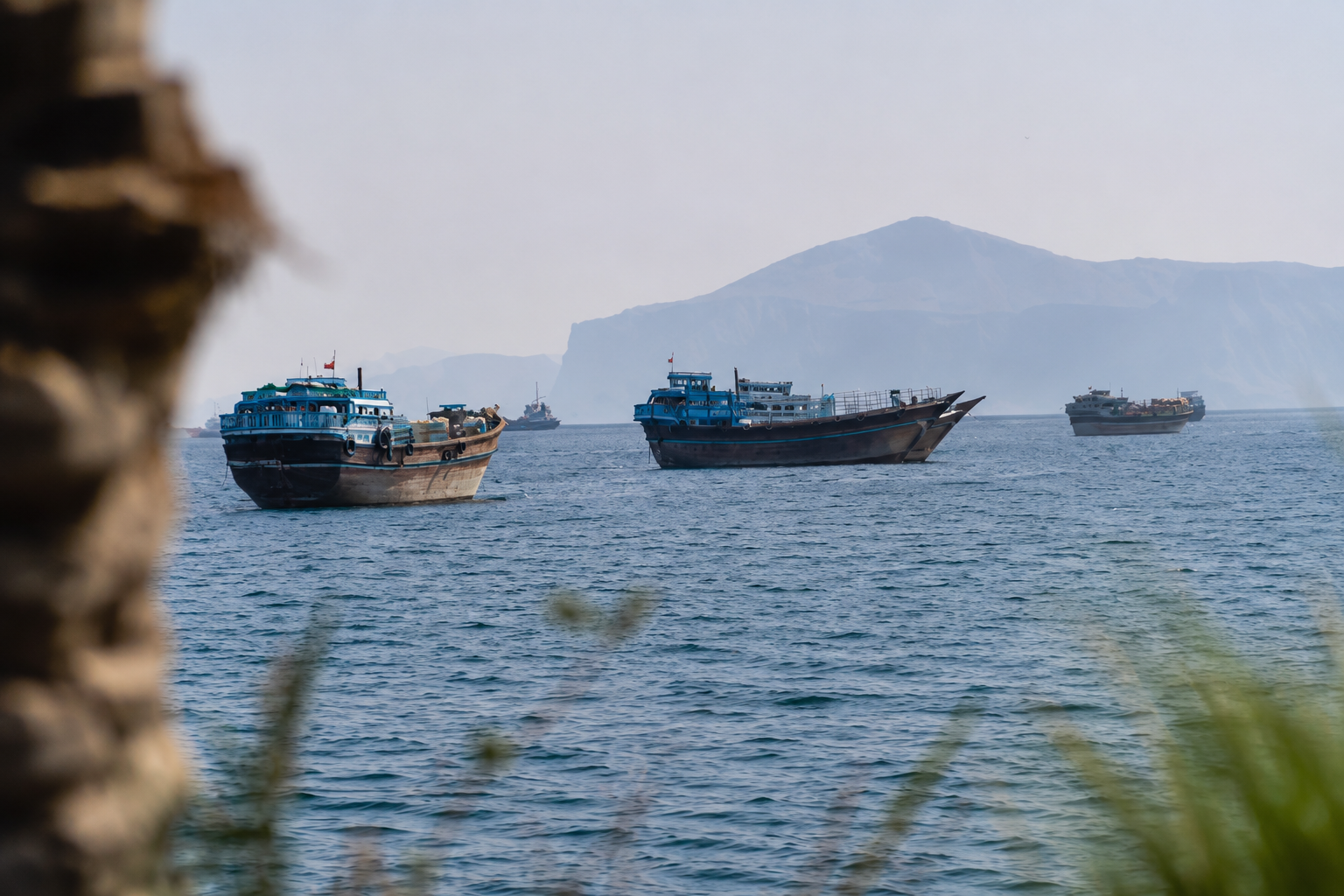
The latest confrontation represents the third major escalation in less than a week around the Strait of Hormuz, one of the world’s most important shipping routes.The US military stated that Iranian drones and military equipment posed a direct threat to commercial and military vessels operating in regional waters. American fighter jets reportedly destroyed air defence systems, a drone control station, and two drones during the operation.Iran condemned the strikes, describing them as a violation of the existing ceasefire agreement and warning of stronger retaliation if similar actions occur again.
Trump Remains Optimistic About a Deal
US President Donald Trump attempted to reassure Americans amid rising tensions. In a post on Truth Social, Trump urged critics to remain calm, saying that the situation would eventually be resolved. He also claimed that Iran still wants a deal with the United States and suggested that negotiations could ultimately produce a favorable outcome for Washington. Despite the military confrontation, diplomatic discussions between the two countries remain ongoing.
Nuclear Talks Face New Obstacles
Negotiations aimed at ending months of conflict have faced fresh setbacks after reports emerged that the United States requested modifications to a proposed agreement.According to reports, Washington is seeking guarantees regarding freedom of navigation through the Strait of Hormuz as well as provisions related to Iran’s stockpile of highly enriched uranium. Iranian officials criticized the changing demands, arguing that repeated revisions are delaying progress toward a final agreement. Foreign Ministry spokesman Esmail Baghaei stated that Tehran would only accept a deal that fully protects Iranian interests and national rights.
Kuwait Condemns Iranian Actions
Kuwait strongly condemned the missile and drone attacks launched toward its territory. The country’s Foreign Ministry described the attacks as a dangerous escalation that threatens regional stability and undermines diplomatic efforts to reduce tensions.Officials stated that Kuwait reserves the right to take all necessary measures to protect its sovereignty and ensure the safety of its citizens.
Ceasefire Under Increasing Pressure
Although a ceasefire came into effect earlier this year, repeated military exchanges have raised concerns about its future. The latest proposals reportedly include a 60-day extension of the cessation of hostilities and measures aimed at reopening the Strait of Hormuz, a crucial shipping corridor responsible for approximately one-fifth of global oil and liquefied natural gas shipments. Any prolonged disruption to maritime traffic through the strait could have major consequences for global energy markets.
Lebanon Remains Part of the Wider Conflict
The conflict continues to extend beyond Iran and the United States. Iranian Foreign Minister Abbas Araghchi emphasized that any ceasefire agreement must apply across all fronts, including Lebanon. Lebanon became involved in the broader conflict after Hezbollah launched rocket attacks against Israel in response to an Israeli strike that killed Iran’s Supreme Leader Ali Khamenei. Israel subsequently launched air strikes and ground operations inside Lebanon. Regional observers warn that any further escalation between Iran and the United States could have serious implications for security across the Middle East.
Uncertain Path Forward
Despite ongoing negotiations, major disagreements remain unresolved. While both Washington and Tehran continue to express interest in a diplomatic solution, recent military exchanges highlight the fragile nature of the ceasefire. With tensions rising around the Strait of Hormuz and across the Middle East, international leaders are closely monitoring developments in hopes of preventing a wider regional conflict.