

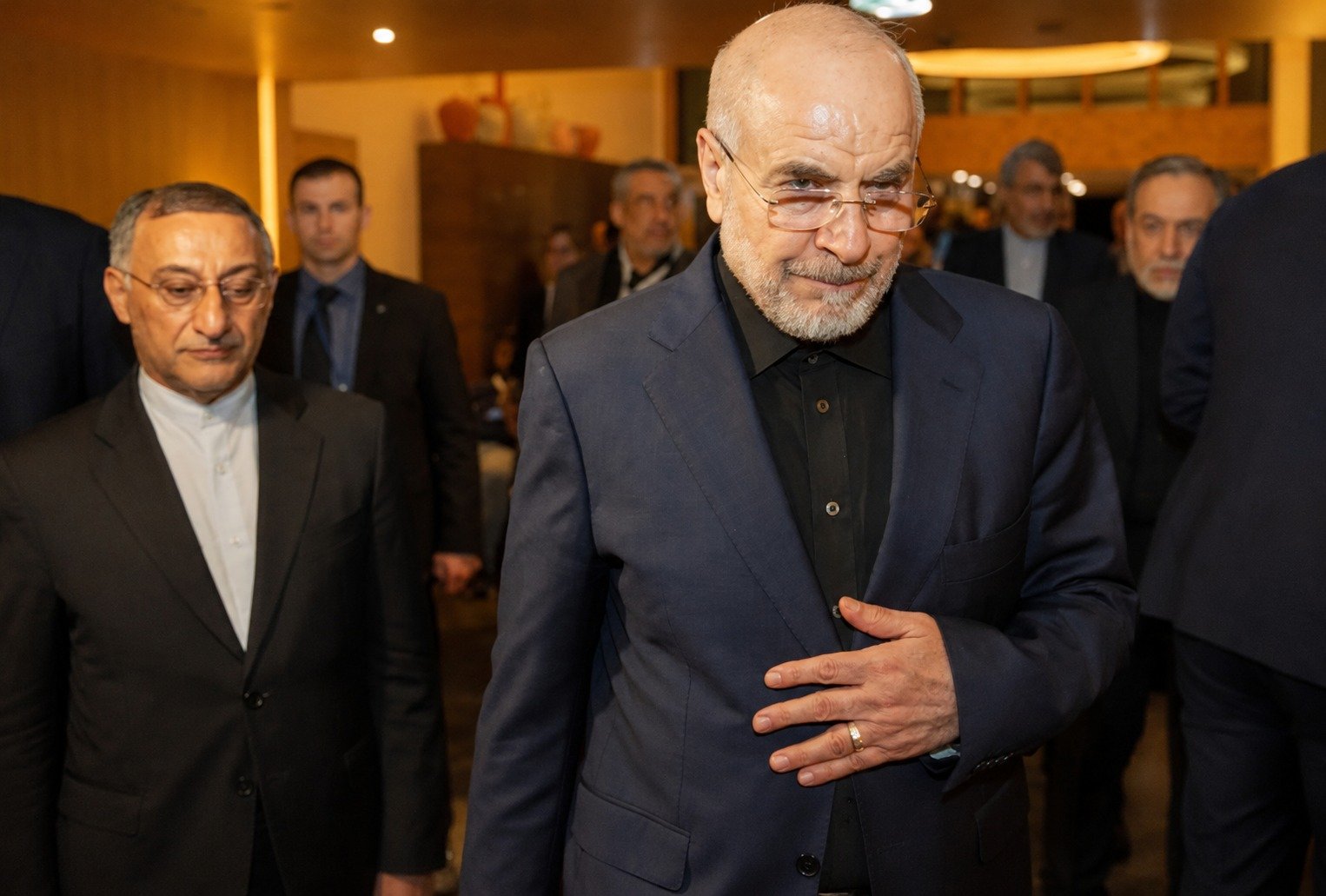
Mediators Report Positive Developments in US-Iran Negotiations
First Round of US-Iran Talks Shows Encouraging Progress as negotiators from both countries completed their initial round of discussions aimed at reaching a comprehensive agreement to end months of regional conflict.Mediators from Qatar and Pakistan announced that the talks concluded with positive momentum, describing the outcome as “encouraging progress” and revealing that both sides had agreed on a roadmap designed to achieve a final agreement within the next 60 days.The negotiations are being closely watched across the Middle East as world leaders hope the discussions could help reduce tensions, stabilize energy markets, and pave the way for broader regional peace.
Qatar and Pakistan Facilitate Diplomatic Breakthrough
In a joint statement released after the talks, Qatar and Pakistan confirmed that progress had been made on several key issues affecting regional security.According to the mediators, both parties agreed to establish direct communication channels aimed at preventing misunderstandings and ensuring the safe movement of commercial vessels through the strategically important Strait of Hormuz.The statement also outlined plans for continued technical discussions as negotiators work toward a final settlement in the coming weeks.
Iran Highlights Progress on Lebanon Conflict
Iranian Foreign Minister Seyed Abbas Araghchi described the discussions as a significant step forward and suggested that meaningful advances had been made regarding the ongoing conflict in Lebanon.Araghchi stated that diplomatic efforts led by Qatar and Pakistan had produced important results and could help strengthen ceasefire arrangements in the region.He emphasized that the next major challenge would be implementing mechanisms designed to reduce military confrontations and prevent further escalation in Lebanon.
New Mechanism Proposed for Regional De-Escalation
One of the key outcomes of the negotiations was the proposal to establish a de-confliction mechanism involving the United States, Iran, and Lebanon.The initiative would be supported by Qatar and Pakistan and aims to improve coordination, reduce military tensions, and prevent incidents that could reignite broader conflict.Regional leaders view the proposal as a potential confidence-building measure that could support long-term stability.
Strait of Hormuz Remains a Central Issue
The Strait of Hormuz remains one of the most critical elements of the ongoing negotiations.The narrow waterway is a major global energy route through which a significant portion of the world’s oil and liquefied natural gas shipments pass each day. Recent tensions surrounding the strait have raised concerns about global energy supplies and shipping security.Negotiators discussed measures designed to ensure commercial vessels can continue operating safely while reducing the risk of future disruptions.
Lebanon Ceasefire Faces Continued Challenges
Despite diplomatic progress, the situation in Lebanon remains fragile.Recent clashes between Hezbollah fighters and Israeli forces, along with ongoing air strikes, have continued to fuel instability in southern Lebanon.Although a ceasefire was announced recently, both sides have accused each other of violations, highlighting the challenges facing efforts to secure a lasting peace.Lebanese officials have welcomed international mediation efforts and expressed hope that the latest negotiations could help strengthen ceasefire arrangements.
US Signals Willingness to Improve Relations
Ahead of the talks, US representatives indicated a willingness to pursue a new diplomatic approach if meaningful progress could be achieved.American negotiators stressed the importance of regional stability and emphasized that improved relations would depend on future agreements covering security concerns and broader regional issues.The discussions are part of wider efforts to reduce tensions that have affected the Middle East in recent months.
Nuclear Programme Remains Unresolved
While negotiators reported progress in several areas, Iran’s nuclear programme remains one of the most sensitive and unresolved topics.Iran continues to maintain that its nuclear activities are peaceful and intended for civilian purposes. Western governments have repeatedly called for additional guarantees and oversight measures to address international concerns. Officials involved in the talks acknowledged that further negotiations will be required before a comprehensive agreement can be reached on this issue.
Economic Relief and Reconstruction Discussed
The negotiations also included discussions on economic cooperation, reconstruction efforts, and the possibility of easing certain restrictions affecting Iran’s economy.Diplomatic sources indicated that future agreements could potentially include measures aimed at supporting economic recovery and regional development projects.Analysts believe economic incentives may play an important role in encouraging continued diplomatic engagement.
Next Phase of Negotiations Begins
Although many challenges remain, diplomats described the first round of talks as a constructive beginning.Technical teams are expected to continue discussions in the coming days while political leaders evaluate the framework established during the initial negotiations.With a proposed 60-day roadmap now in place, attention will shift toward whether both sides can translate diplomatic progress into a lasting agreement that addresses security, economic, and regional concerns.The coming weeks are expected to be critical for determining whether the negotiations can deliver a comprehensive settlement and contribute to greater stability across the Middle East.