

US Iran Strait of Hormuz Tensions Deepen After Fresh Military Exchange
The US Iran Strait of Hormuz Tensions intensified once again after both countries launched another round of military strikes, raising fears that diplomatic efforts to end months of conflict could collapse. The latest escalation has also renewed concerns over the safety of one of the world’s busiest energy corridors, the Strait of Hormuz, through which roughly one-fifth of global oil and gas supplies pass every day.The United States said its latest operation was designed to weaken Iran’s military capability to threaten international shipping. Meanwhile, Iran responded by launching attacks against American military assets in several Gulf countries while insisting it would continue to defend what it considers its sovereign rights in the strategic waterway.The renewed US Iran Strait of Hormuz Tensions have already affected global financial markets, with oil prices climbing sharply amid fears that commercial shipping could face prolonged disruption.
US Launches Fresh Military Strikes Across Southern Iran
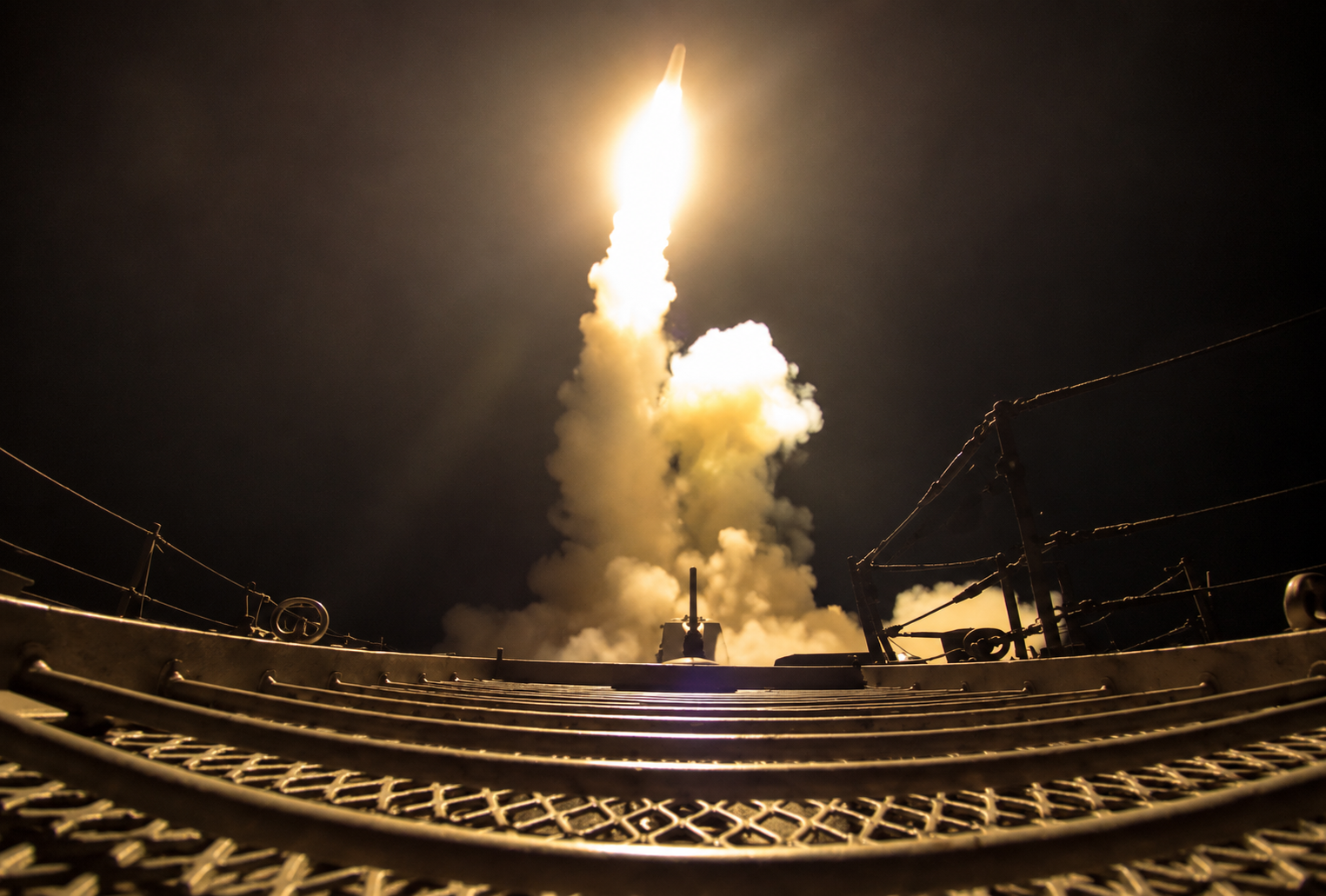
Late Sunday, US Central Command (Centcom) confirmed that American forces had launched another coordinated military operation targeting Iranian military infrastructure.According to the US military, the strikes focused on facilities believed to support attacks against commercial shipping operating through the Gulf.
Military officials said the operation involved:
- Fighter aircraft
- Naval warships
- Precision-guided missiles
- One-way attack drones
- Naval strike capabilities
Targets reportedly included Iranian air defence systems, coastal radar stations, missile launch facilities, drone storage areas and command centres.Centcom stated that the objective was to reduce Iran’s ability to threaten civilian vessels and to ensure freedom of navigation remained protected for international shipping.US officials added that American forces would continue operating in the region for as long as necessary to safeguard commercial maritime traffic.
Explosions Reported Across Iran’s Gulf Coast
Iranian state media reported multiple explosions shortly after the American military operation began.
Blasts were reported in several strategic coastal areas, including:
- Bandar Abbas
- Qeshm Island
- Sirik
- Jask
Iran’s official IRNA news agency reported that one civilian died after a strike hit a water pumping station in Mahshahr, located in Khuzestan Province.Another employee working for a telecommunications company was reportedly killed in Hormozgan Province following another strike.On Monday, Iranian authorities also reported two additional deaths in Abadan after fresh attacks, while several more explosions were heard in Bandar Abbas and Qeshm Island.Iranian officials strongly condemned the attacks, describing them as violations of regional stability.
Iran Retaliates With Regional Military Response
Within hours of the American strikes, Iran’s Islamic Revolutionary Guard Corps (IRGC) announced retaliatory attacks targeting US military facilities across the Middle East.According to the IRGC, missiles and drones were launched against several strategic military locations used by American forces and their regional allies.
Iran claimed its operation targeted:
- Fuel storage facilities at Prince Hassan Air Base in Jordan
- Radar systems in Bahrain
- Missile installations in Kuwait
- Military infrastructure in Oman
Iran described the operation as a direct response to what it called repeated American aggression.Officials warned that any future attacks would receive an even stronger military response, adding further uncertainty to the already fragile security situation surrounding the Gulf.
Trump Announces New Strait of Hormuz Measures
The US Iran Strait of Hormuz Tensions escalated further after US President Donald Trump announced a series of new measures aimed at increasing American control over maritime security in the Gulf.In an interview with Fox News, Trump accused Iran of violating the preliminary agreement signed earlier this year regarding the management of the Strait of Hormuz.He stated that the United States would continue protecting commercial shipping through the strategic waterway and suggested that Washington should receive financial compensation for providing that security.Later, on his Truth Social platform, Trump announced that the United States was reinstating its naval blockade on Iranian vessels and ships operating from Iranian ports.He also declared that while international commercial traffic would continue to move freely, the United States would introduce a 20% charge on cargo transported through the Strait of Hormuz to recover the costs of maintaining security operations.Trump said the United States would become the “Guardian of the Hormuz Strait,” arguing that protecting one of the world’s busiest shipping lanes required significant military resources.
Iran Rejects US Claims Over the Strait
Iran quickly rejected Trump’s announcement and accused Washington of violating international agreements.Officials from Iran’s Foreign Ministry said American military operations were increasing instability instead of helping restore peace.Iran maintained that it remained committed to managing maritime traffic responsibly while defending its national sovereignty. The Islamic Revolutionary Guard Corps (IRGC) accused the United States of interfering in a strategically important international waterway and warned that continued military involvement threatened global energy security.Iranian officials also insisted they would continue exercising what they described as their sovereign authority over the Strait of Hormuz.
Dispute Over Shipping Routes Continues
Although Iran previously agreed under the memorandum of understanding to allow commercial vessels to pass safely through the Strait of Hormuz, tensions have continued over how ships should navigate the area.Iran has accused several vessels of travelling through unauthorised routes near Omani territorial waters.According to Iranian officials, these movements have complicated maritime traffic management and increased security risks. The Foreign Ministry said Tehran has been working with Oman to establish a joint mechanism for supervising shipping through the Strait.However, Iranian spokesman Esmail Baqai claimed that diplomatic efforts had been slowed because of continued pressure from Washington on Muscat.The disagreement has become another major obstacle to restoring confidence between both countries.
Oil Prices Rise as Markets React
The latest US Iran Strait of Hormuz Tensions immediately affected global energy markets.Brent crude oil prices climbed by more than 3% after investors reacted to fears that prolonged military confrontations could disrupt one of the world’s most important energy supply routes.Because around 20% of global oil shipments pass through the Strait of Hormuz, even limited disruptions can quickly affect international fuel prices and increase uncertainty across financial markets.Analysts warned that if the situation continues to deteriorate, energy costs could remain volatile in the coming weeks.
Diplomatic Efforts Face Fresh Challenges
The renewed military exchanges have placed significant pressure on diplomatic negotiations that were intended to build on the preliminary agreement reached in June.That memorandum sought to reduce hostilities, reopen the Strait of Hormuz to unrestricted commercial traffic and establish a long-term framework for regional stability. However, the latest exchanges of military strikes have raised new doubts about whether both sides can return to negotiations in the near future.Despite the escalating rhetoric, officials from both countries have continued indicating that diplomatic channels remain open, although no timetable has been announced for further talks.
Conclusion
The latest US Iran Strait of Hormuz Tensions highlight how fragile security remains across the Gulf region despite previous diplomatic progress. Fresh military strikes, competing claims over control of the Strait of Hormuz, and new economic measures announced by both sides have increased uncertainty for international shipping and global energy markets.While both Washington and Tehran continue defending their respective positions, the renewed escalation demonstrates that the situation remains highly volatile. The coming weeks will likely determine whether diplomacy can regain momentum or whether further confrontations will deepen instability across one of the world’s most strategically important maritime corridors.