

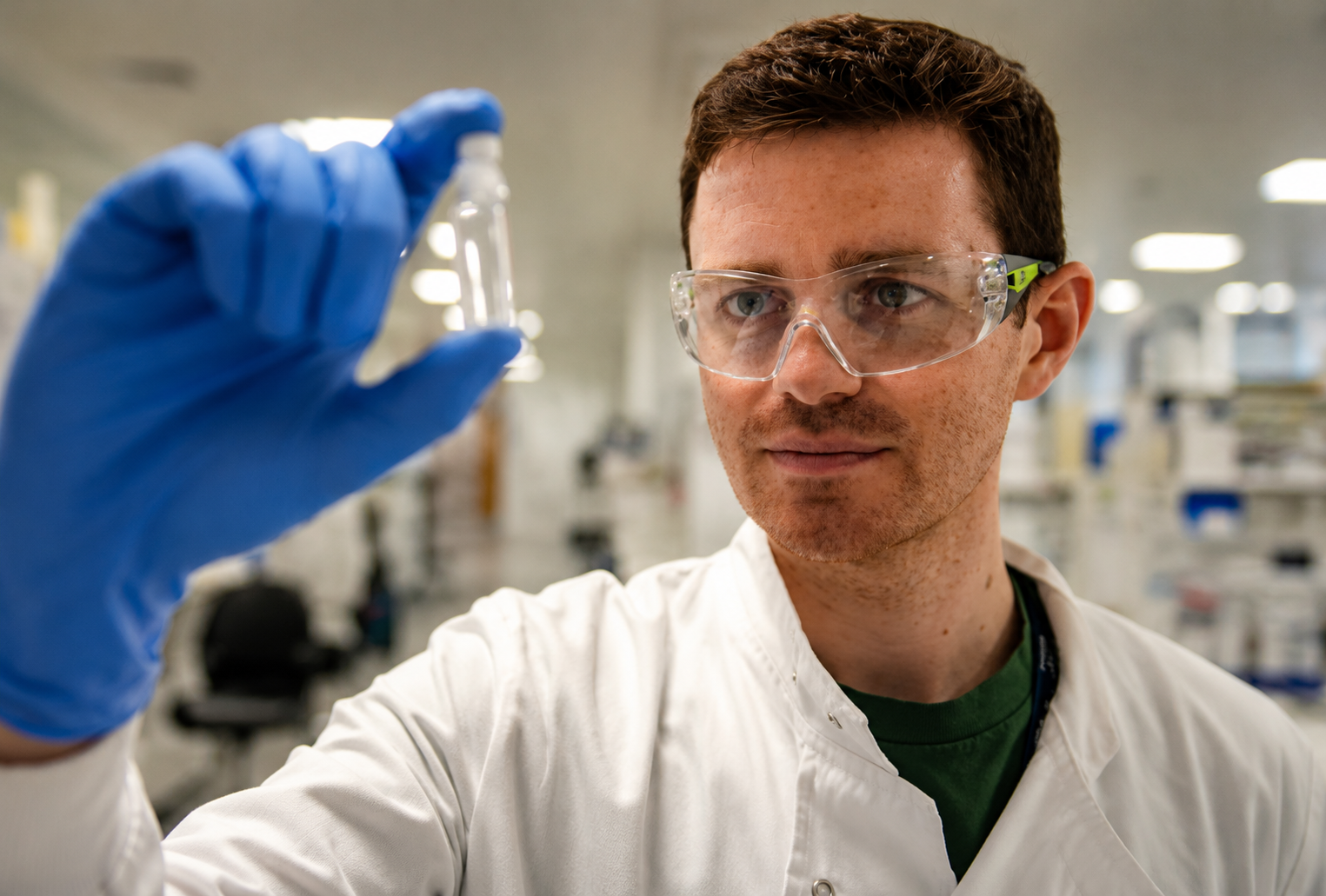
UK Ebola Vaccine Trials Begin Just Eight Weeks After Outbreak Declaration
UK Ebola Vaccine Trials have officially begun after Britain’s medicines regulator approved the first human clinical study of a newly developed vaccine designed to combat the latest Ebola outbreak in the Democratic Republic of the Congo (DRC). The vaccine was created by researchers at the University of Oxford in only eight weeks following the declaration of a public health emergency on 17 May, highlighting how advances in vaccine technology are dramatically reducing development timelines without compromising scientific standards.The approval represents a significant milestone in the global response to the current Ebola outbreak, which has already claimed hundreds of lives. Scientists hope the vaccine will eventually help contain the spread of the Bundibugyo strain of Ebola, a virus for which there are currently no approved vaccines or specific treatments.
Oxford Scientists Develop Vaccine in Record Time
Researchers at the University of Oxford immediately began work after health authorities declared the Ebola outbreak a public health emergency. Using the same viral vector technology that powered the Oxford/AstraZeneca Covid-19 vaccine, scientists designed a new vaccine candidate in just eight weeks.Although the speed is remarkable, researchers stress that every stage of laboratory testing and regulatory review has followed established scientific procedures. The difference lies in conducting multiple research activities simultaneously rather than one after another.This rapid-response capability demonstrates how scientific knowledge gained during the Covid-19 pandemic continues to improve preparedness for future infectious disease emergencies.
First Human Clinical Trial Receives UK Approval
The UK’s Medicines and Healthcare Products Regulatory Agency (MHRA) has authorised the vaccine to enter Phase One clinical trials.The first study will involve 50 healthy adult volunteers between the ages of 18 and 55. Participants are expected to receive the first vaccine doses within weeks.
Researchers will closely monitor volunteers for approximately one year to evaluate:
- Vaccine safety
- Immune response
- Possible side effects
- Overall tolerability
Although volunteers will remain under observation for several months, scientists expect early laboratory results to indicate whether the vaccine successfully stimulates protective immunity.
Why This Ebola Outbreak Is Different
The current outbreak is caused by the Bundibugyo species of Ebola, one of six known Ebola virus species.Unlike previous outbreaks caused by the Zaire strain—which already has approved vaccines—the Bundibugyo strain currently has no licensed vaccine available.Scientists often describe Ebola virus species as “sisters rather than twins.” While they belong to the same virus family, each strain behaves differently enough that vaccines effective against one species may not protect against another. This biological difference explains why researchers needed to design an entirely new vaccine despite previous success against other Ebola strains.
Outbreak Continues to Spread in Democratic Republic of the Congo
The Ebola epidemic remains centred in the Democratic Republic of the Congo, where health officials continue efforts to control transmission.
According to available figures:
- More than 1,700 laboratory-confirmed infections have been recorded.
- At least 625 people have died.
- The outbreak continues in areas affected by armed conflict.
- Population movement has complicated containment efforts.
The combination of insecurity, limited healthcare infrastructure, and highly mobile communities makes vaccination one of the most promising tools for slowing transmission.
How the Vaccine Works
The vaccine uses the same chimpanzee adenovirus platform successfully employed during the Covid-19 pandemic.Scientists genetically modify a harmless virus that normally causes common colds in chimpanzees so it cannot reproduce inside the human body.Instead of carrying coronavirus genetic material, the modified virus now delivers a small piece of genetic information from the Bundibugyo Ebola virus.Once inside the body, human cells temporarily produce one harmless Ebola protein.This allows the immune system to recognise the virus without causing Ebola infection itself.As a result, the body develops immune defences that may respond much more rapidly if exposed to the real virus in the future.
Animal Testing Completed Before Human Trials
Before receiving regulatory approval, researchers successfully evaluated the vaccine in both laboratory mice and macaque monkeys.The encouraging results demonstrated that the vaccine generated promising immune responses while meeting safety requirements for further testing.Manufacturing has also progressed rapidly.The Serum Institute of India, one of the world’s largest vaccine manufacturers, has already produced clinical-grade vaccine supplies and stockpiled approximately 620,000 doses in preparation for larger studies if the vaccine proves successful.
Researchers Stress Safety Remains the Top Priority
Although the UK Ebola Vaccine Trials were developed at unprecedented speed, researchers insist that no safety procedures have been skipped. Instead of shortening the scientific process, teams worked simultaneously on laboratory research, manufacturing, quality testing, and regulatory documentation. This parallel approach dramatically reduced the development timeline while maintaining internationally recognised safety standards.Vaccine researcher Alex Sampson explained that the rapid progress became possible because Oxford already had an established vaccine platform ready to adapt to emerging diseases. Once scientists identified the Bundibugyo Ebola virus as the cause of the outbreak, they simply replaced the genetic sequence used in previous vaccines with one specific to the new Ebola strain.According to Sampson, every laboratory test normally required for vaccine development has still been completed. The difference is that several research groups worked around the clock, allowing multiple phases of development to proceed together rather than waiting for one stage to finish before beginning the next.
Oxford Builds on Experience from the Covid-19 Pandemic
The technology behind the new Ebola vaccine is not entirely new. It is based on the same viral vector platform used in the Oxford/AstraZeneca Covid-19 vaccine, which became one of the most widely distributed vaccines during the coronavirus pandemic.Health experts estimate that the Oxford Covid vaccine saved millions of lives during its first year of global use. Hundreds of millions of doses were administered across numerous countries, helping reduce hospitalisations and deaths during successive waves of Covid-19.Because researchers already understood how this vaccine platform behaves in the human body, they were able to respond much more quickly when the Ebola outbreak emerged.The experience gained during the Covid pandemic has significantly strengthened the world’s ability to respond rapidly to future infectious disease emergencies.
Researchers Acknowledge Rare Side Effects
Scientists involved in the UK Ebola Vaccine Trials have also been transparent about potential risks.The Oxford/AstraZeneca Covid vaccine was later associated with a very rare blood clotting condition that affected only a small number of people after vaccination. Although the risk was extremely low, several countries limited its use in younger age groups as a precaution.Researchers say it remains possible that the new Ebola vaccine could carry a similar rare risk because it uses the same vaccine platform. However, they emphasise that there is currently no evidence showing this vaccine causes such complications.Dr Katrina Pollock noted that severe vaccine-related side effects remain exceptionally uncommon and that all volunteers participating in the trial will receive detailed information about potential risks before giving informed consent.She also stressed that the benefits of preventing a deadly disease such as Ebola may significantly outweigh the small possibility of serious adverse reactions.
International Collaboration Supports Vaccine Production
The vaccine is being manufactured by the Serum Institute of India, one of the world’s largest vaccine producers.The institute has already manufactured approximately 620,000 doses to clinical standards, ensuring supplies are available if larger clinical trials become necessary or emergency vaccination campaigns are approved.Oxford researchers are also working alongside partners in Uganda to prepare additional studies in Africa should the vaccine demonstrate strong safety and immune responses during the UK trials.Testing the vaccine in regions closer to the outbreak will eventually help researchers understand how well it performs in populations at greatest risk.
Other Ebola Vaccines Are Also Under Development
While Oxford’s vaccine is the first to enter human clinical trials for the Bundibugyo strain, it is not the only project underway. Several international research organisations are developing alternative vaccine candidates using different technologies.
These include:
- Moderna, which is developing an mRNA-based Ebola vaccine similar to its Covid-19 vaccine platform.
- The International AIDS Vaccine Initiative (IAVI).
- Public Health Vaccines, a US-based biotechnology organisation working on another vaccine approach.
Some of these candidates rely on vaccine technologies already proven effective against different Ebola virus species, although manufacturing may take longer compared with Oxford’s platform.The existence of multiple vaccine programmes increases the likelihood that an effective solution will eventually become available.
Why the Vaccine Could Make a Global Difference
The ongoing Ebola outbreak has highlighted how quickly infectious diseases can spread when healthcare systems are under pressure.If successful, the UK Ebola Vaccine Trials could provide the first approved vaccine specifically designed for the Bundibugyo strain of Ebola. Beyond helping control the current outbreak, the research may also improve global preparedness for future epidemics caused by emerging viruses.Rapid vaccine platforms developed after the Covid-19 pandemic are changing the way scientists respond to public health emergencies, allowing promising vaccine candidates to reach clinical testing in weeks rather than years.
Conclusion
The launch of the UK Ebola Vaccine Trials marks an important step in the fight against one of the world’s deadliest infectious diseases. Developed by researchers at the University of Oxford in only eight weeks, the vaccine demonstrates how scientific innovation and international cooperation can accelerate responses to emerging health threats.Although the vaccine must still complete clinical testing before it can be approved for public use, the rapid progress offers hope for controlling the current Ebola outbreak in the Democratic Republic of the Congo. As researchers continue monitoring volunteers and expanding international partnerships, the coming months will determine whether this promising vaccine can become a valuable tool in preventing future Ebola epidemics.