

US Iran Ceasefire Enters New Phase After Military Escalation
The US Iran Ceasefire has entered a new stage after both countries reportedly agreed to “stand down” following several days of military strikes and growing tensions in the Middle East. According to US officials, both sides have agreed to reduce hostilities while diplomatic efforts continue to secure a long-term peace agreement.The development follows a series of attacks in and around the Strait of Hormuz, one of the world’s most important shipping routes for global oil and gas supplies.
US and Iran Resume Diplomatic Efforts
The US Iran Ceasefire gained momentum after American officials confirmed that discussions aimed at preventing further conflict are continuing.US President Donald Trump announced that Iran had requested another round of talks, saying a meeting would take place in Doha, Qatar.White House officials also confirmed that senior US representatives would travel to Qatar to continue negotiations regarding a previously signed Memorandum of Understanding designed to prevent further military escalation.Although Iranian officials denied that technical talks had been scheduled, both governments continue signaling support for diplomatic engagement.
Memorandum of Understanding Supports Ceasefire
A major step behind the US Iran Ceasefire was the signing of a 14-point Memorandum of Understanding on June 17.The agreement called for an immediate and permanent end to military operations while encouraging the safe passage of commercial ships through the Strait of Hormuz.Iran also agreed to make its best efforts to protect commercial shipping for a temporary period as negotiations continued.Officials from both countries described the agreement as an important foundation for reducing regional tensions.
Recent Military Strikes Threatened the Ceasefire
Despite the agreement, the US Iran Ceasefire came under pressure after new military attacks were reported.The latest escalation began when an Iranian projectile struck a commercial cargo vessel traveling through the Strait of Hormuz.In response, US Central Command launched airstrikes against multiple Iranian military targets, describing the operation as retaliation for continued attacks on international shipping.Iran later launched missiles toward US military bases in Kuwait and Bahrain.According to US officials, none of the missiles reached their intended targets, and no casualties or significant damage were reported.
Strait of Hormuz Remains a Global Concern
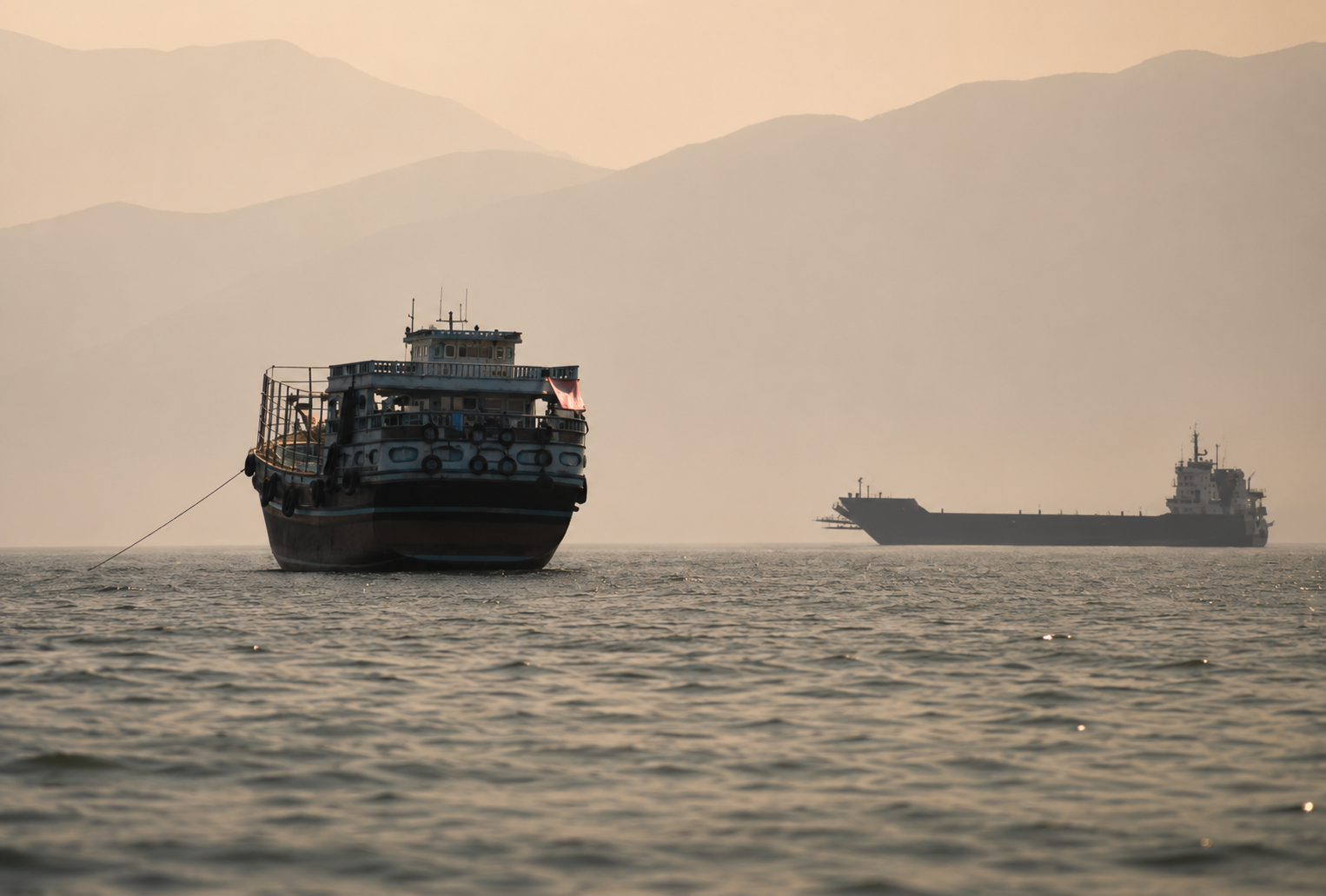
The US Iran Ceasefire remains closely linked to security in the Strait of Hormuz.The narrow waterway carries a significant percentage of the world’s oil and natural gas exports, making stability in the region essential for global energy markets.Shipping companies and international governments continue monitoring developments closely as negotiations move forward.Officials say commercial vessels are once again able to navigate the strategic waterway more safely following the latest agreement.
Regional Tensions Continue Beyond Iran
While the US Iran Ceasefire has reduced direct confrontation between Washington and Tehran, instability continues elsewhere in the Middle East.The United States recently helped broker a separate framework agreement between Israel and Lebanon aimed at reducing conflict along the border.However, Hezbollah has rejected the agreement, accusing Lebanese authorities of weakening national sovereignty.Israeli forces have continued military operations against Hezbollah positions in southern Lebanon, demonstrating that wider regional tensions remain unresolved.
Diplomatic Talks Continue in Qatar
Negotiators hope that upcoming discussions in Doha will strengthen the US Iran Ceasefire and reduce the risk of future military confrontation.Diplomatic efforts are expected to focus on maintaining freedom of navigation through the Strait of Hormuz, preventing additional attacks, and creating conditions for a broader regional peace agreement.Both sides continue to exchange public statements, but officials remain cautiously optimistic that diplomacy can prevent another escalation.
Global Markets Watch the Ceasefire Closely
Energy markets, shipping companies, and international governments continue monitoring the US Iran Ceasefire because any renewed conflict could disrupt global oil supplies and international trade.Analysts say lasting stability would help improve regional security while reducing uncertainty in global energy markets.
Conclusion
The US Iran Ceasefire represents an important diplomatic effort to reduce military tensions after several days of exchanges between Washington and Tehran. Although recent attacks demonstrated how fragile the agreement remains, both countries have signaled their willingness to continue negotiations.As diplomatic talks continue in Qatar, the international community will closely watch whether the US Iran Ceasefire can evolve into a lasting agreement that promotes peace, protects global shipping routes, and prevents another regional conflict.