

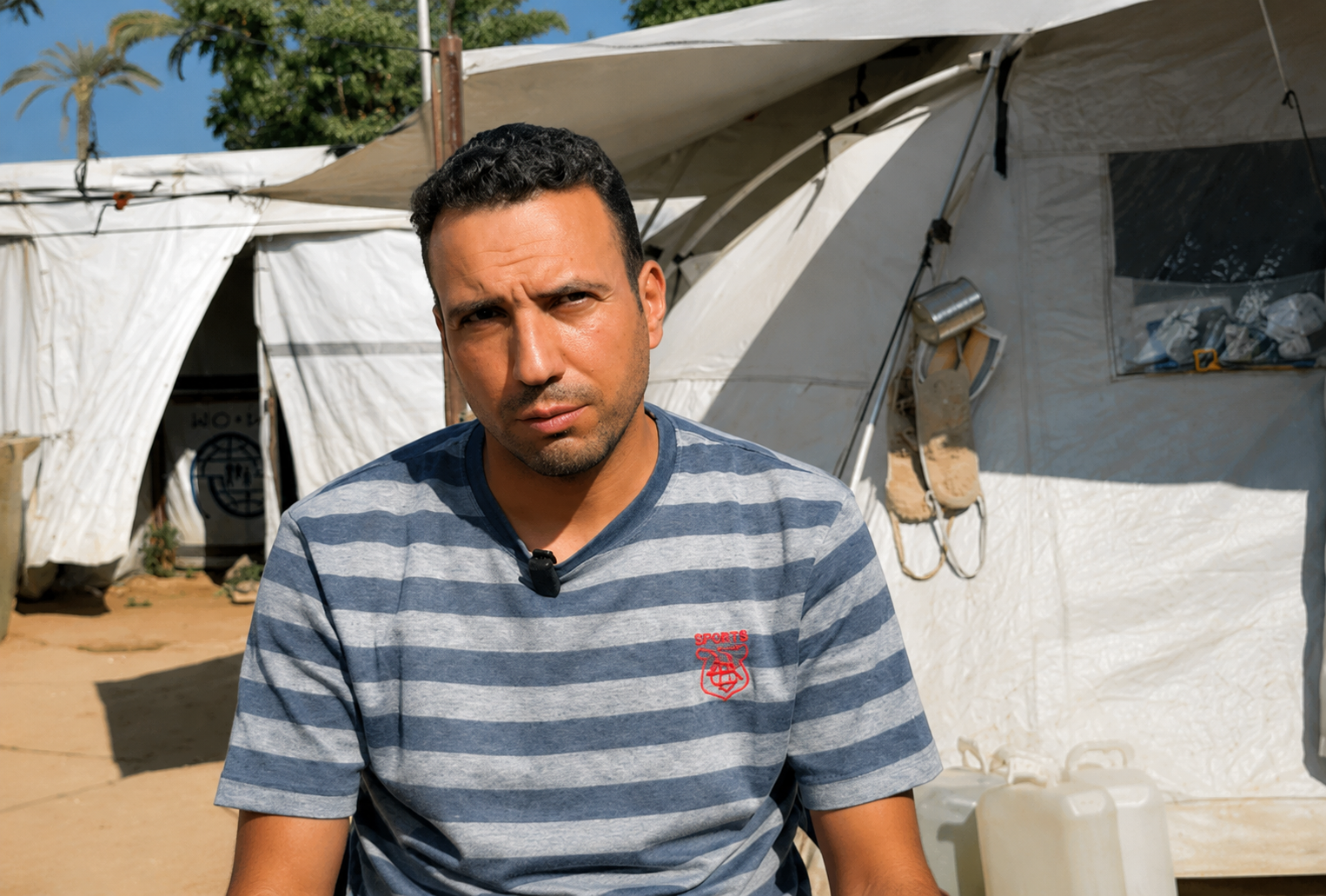
Families Hope for Medical Evacuations
Gaza Medical Evacuations remain one of the biggest humanitarian challenges facing the region as thousands of critically ill patients continue waiting for permission to receive treatment abroad. Many families say delays are costing lives while hospitals struggle with severe shortages of medicines, equipment, and specialist care.For Amina Abu al-Kas, approval to travel abroad initially gave her family renewed hope. Doctors diagnosed her with an aggressive infection that had spread to her skull, but Gaza hospitals lacked the resources needed to treat her condition.Her son Saber recalled that she suffered constant pain and spent sleepless nights waiting for help.
Hope Turned Into Tragedy
After receiving approval from Gaza’s medical referral board, the family expected permission to travel at any time.However, several administrative steps still remained before Gaza Medical Evacuations could take place. These included Israeli security clearance, acceptance by a foreign hospital, and visa approvals.Unfortunately, the approval never arrived in time.Amina died on 29 May, and two weeks later the family received a phone call informing them that all her travel paperwork had finally been approved.
For her family, the delayed notification came too late.
Hundreds Die Waiting
Health officials report that nearly 300 Palestinians have died while waiting for Gaza Medical Evacuations since the ceasefire process began.According to the World Health Organization (WHO), around 15,000 patients still require urgent treatment outside Gaza.
Many suffer from:
- Cancer
- Serious war injuries
- Kidney disease
- Heart conditions
- Neurological illnesses
- Chronic medical disorders
Health experts warn that without faster evacuations, many more patients could lose their lives.
Why Gaza Medical Evacuations Take So Long
Being approved by Gaza’s medical board is only the beginning of a lengthy process.
Patients must also complete:
- Israeli security screening
- Clearance from transit countries
- Acceptance by a receiving hospital
- Visa approvals
- Travel arrangements for both patients and companions
WHO officials explain that every receiving country has different medical admission policies, making the process even slower.
Hospitals Continue Operating Under Extreme Pressure
While patients wait, Gaza’s hospitals face severe shortages.
Doctors report limited supplies of:
- Cancer medication
- Dialysis equipment
- Painkillers
- Surgical materials
- Medical consumables
- Replacement generator parts
Power shortages have forced hospitals to delay surgeries and reduce essential services.Healthcare workers say they are constantly sharing medicines between hospitals to keep patients alive.
Patients Demand Faster Action
Outside Al-Shifa Hospital, patients and families have staged demonstrations demanding faster Gaza Medical Evacuations. Cancer patients described surviving only on painkillers due to the lack of treatment.Parents of injured children pleaded for urgent approvals before their conditions became irreversible.Many families say every passing day reduces the chances of successful treatment.
Children Face Serious Health Risks
Among those still waiting is 14-year-old Muath al-Dini.He lost his leg during an air strike and has lived with spinal cancer since childhood.Doctors say the metal supports in his spine are failing, affecting his breathing.Although his family received initial security approval, they continue waiting for final permission to travel abroad.
His mother says no specialists remain inside Gaza capable of providing the complex treatment he requires.
Different Views on Medical Aid
Israeli authorities say they have allowed thousands of tons of medical supplies into Gaza, including cancer medicines, dialysis machines, insulin, CT scanners, wheelchairs, and surgical equipment.However, humanitarian organizations argue that supplies remain insufficient compared to actual patient needs.WHO officials say healthcare should be measured by the number of patients successfully treated rather than by the amount of aid entering the territory.
Fraud Adds to Families’ Suffering
Growing desperation has also led to fraud.The World Health Organization has warned patients not to pay individuals claiming they can speed up Gaza Medical Evacuations.Officials stress that all medical transfers are coordinated only through official humanitarian channels.
Conclusion
The continuing delays in Gaza Medical Evacuations have left thousands of seriously ill patients waiting for life-saving treatment. Families remain hopeful that approvals will arrive before it is too late, while doctors continue working under extremely difficult conditions inside Gaza’s overwhelmed healthcare system. Humanitarian organizations continue urging faster evacuations and greater access to essential medical care to prevent further avoidable deaths.