

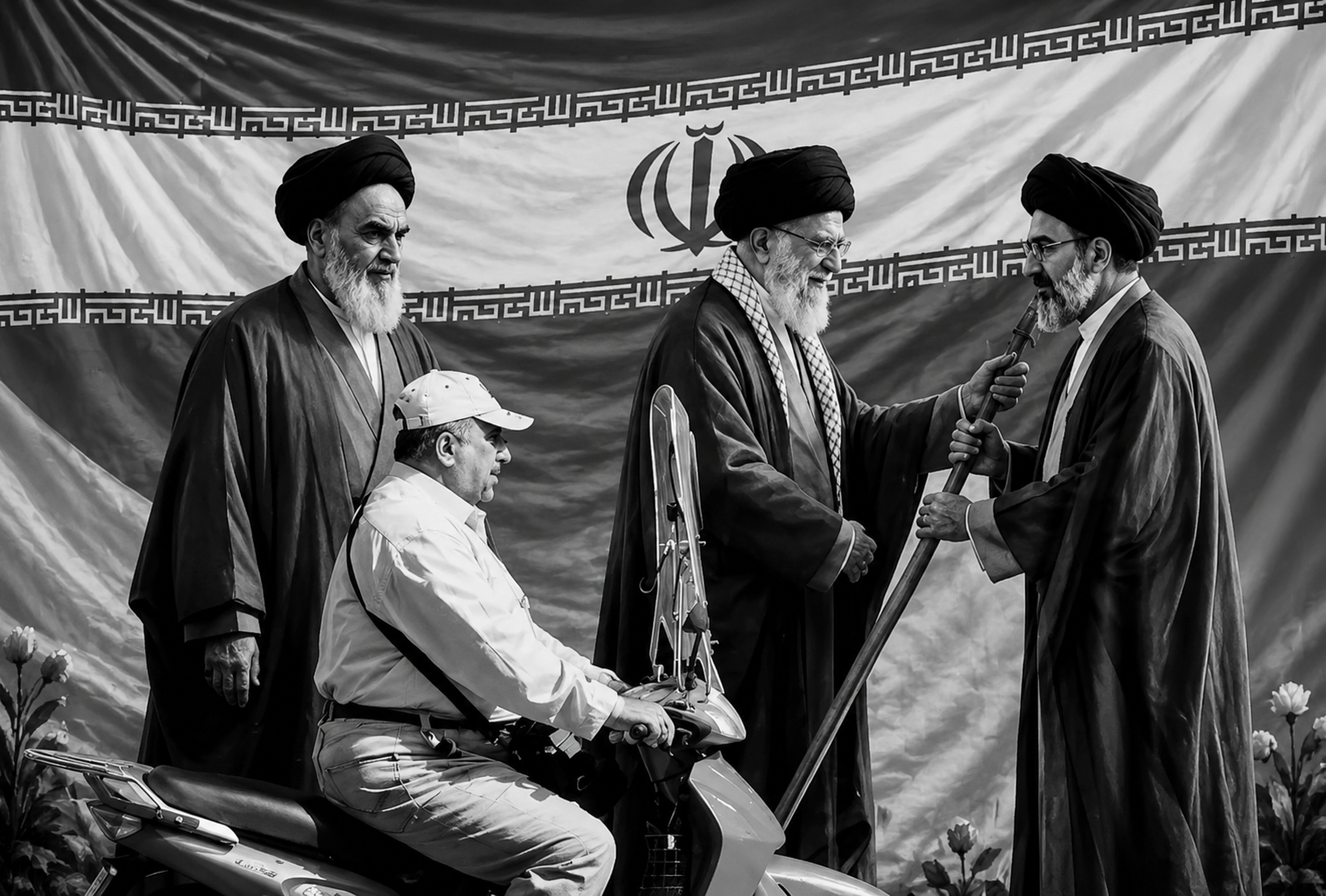
Iran’s New Leadership Signals a New Chapter After the US-Israel Conflict
The emergence of Iran’s New Leadership marks one of the country’s most significant political transitions in decades. Following months of military confrontation involving Iran, the United States, and Israel, Tehran is entering a new phase that could reshape not only its domestic politics but also the balance of power across the Middle East.Although a ceasefire agreement has largely halted direct fighting, many of the disputes that fueled the conflict remain unresolved. Diplomatic negotiations continue, tensions around the Strait of Hormuz remain high, and uncertainty still surrounds Iran’s nuclear programme and regional influence.The leadership changes inside Iran have become just as important as the military developments. With several senior figures from the previous administration no longer in power, a younger generation has assumed responsibility for guiding the country through one of the most challenging periods in its modern history.
Ceasefire Ends the Fighting but Not the Crisis
The ceasefire agreement signed between Washington and Tehran helped reduce military tensions after weeks of escalating attacks. The understanding, brokered through international diplomacy, brought an end to direct military operations between the two countries.However, many observers believe the ceasefire only paused the conflict rather than resolving it. The Strait of Hormuz continues to remain strategically sensitive, while negotiations over sanctions, regional security and Iran’s nuclear activities are expected to dominate discussions in the coming months.Political analysts say the agreement has created an opportunity for diplomacy, but lasting peace will depend on whether both sides can overcome decades of distrust.
A Historic Leadership Transition
One of the biggest consequences of the conflict has been the rise of Iran’s New Leadership.The death of Supreme Leader Ayatollah Ali Khamenei during the war ended an era that had defined Iranian politics for decades. His leadership was characterised by a cautious balance between confrontation and restraint, often described as maintaining a position of “no war, no peace.”His successor, Mojtaba Khamenei, now represents a much younger generation of political leadership. Together with President Masoud Pezeshkian and several senior Revolutionary Guard commanders, the country’s leadership structure has undergone one of its largest transformations since the Islamic Revolution.Experts believe this new generation is less focused on revolutionary ideology and more concerned with preserving state power, improving economic stability and strengthening Iran’s strategic position.
A New Approach to Military and Diplomacy
During previous confrontations with the United States, Iran often signaled its responses well in advance to avoid broader escalation.This time, however, the country’s response appeared far more aggressive.Iran launched missile and drone attacks targeting several American military facilities across the Gulf region while simultaneously threatening international shipping routes through the Strait of Hormuz.Despite these military actions, Tehran quickly returned to negotiations once the ceasefire framework was established. This combination of military pressure and diplomatic engagement illustrates how Iran’s New Leadership is adopting a different strategy from its predecessors. Rather than relying solely on deterrence or diplomacy, the new administration appears willing to use both approaches simultaneously to strengthen its negotiating position.
How the War Changed the Middle East
The recent conflict has altered political calculations across the Middle East.Before the war, many regional governments believed American military bases offered long-term security against Iranian influence.However, Iran’s ability to strike multiple targets despite the strong US military presence has prompted several Gulf nations to reconsider their security strategies.Countries across the Gulf are now exploring ways to improve diplomatic relations with Tehran while maintaining their partnerships with Washington.Analysts believe this shift reflects a broader regional effort to reduce tensions through dialogue rather than relying entirely on military alliances.Saudi Arabia and several neighbouring states are reportedly continuing diplomatic contacts with Iran as both sides seek greater regional stability following the conflict.
Iran’s Economy Remains Under Pressure
While Iran’s New Leadership has survived one of the country’s most serious military challenges, significant economic problems remain.Years of international sanctions, inflation, unemployment and declining investment have weakened the economy.The recent conflict has added further pressure by damaging infrastructure and disrupting trade.Economic recovery is now considered one of the government’s highest priorities.Officials hope that ongoing negotiations with the United States could eventually lead to sanctions relief, increased oil exports and access to frozen financial assets.Such developments could provide much-needed support for Iran’s struggling economy.