

Trump Retreat Over Hormuz Tolls Highlights Challenges in Ending Iran War
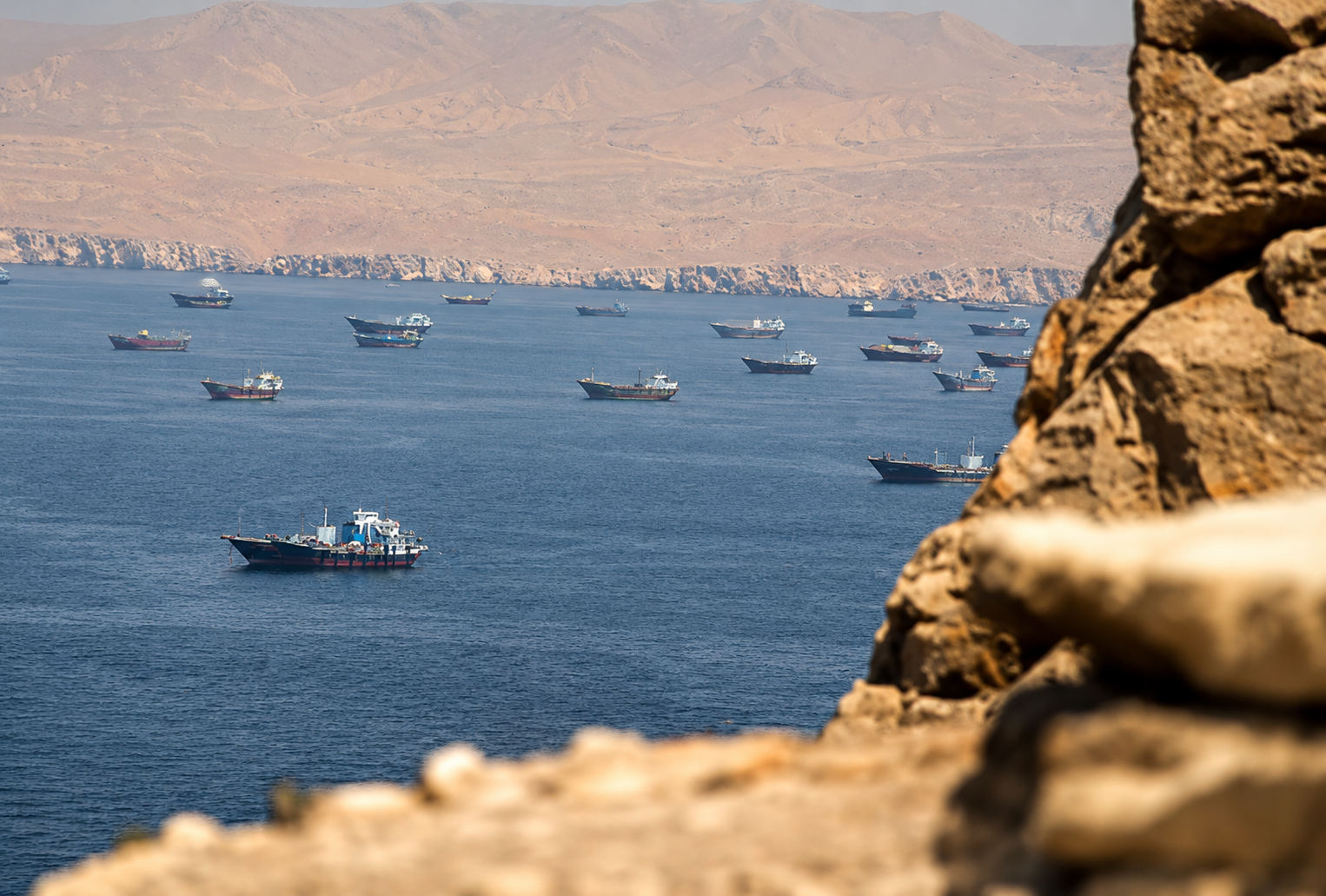
The Trump retreat over Hormuz tolls has become the latest sign that US President Donald Trump is facing increasing challenges in bringing the ongoing Iran conflict to an end. After initially proposing a controversial 20% fee on ships passing through the Strait of Hormuz, Trump reversed his position within just one day, replacing the proposal with plans to strengthen trade and investment partnerships with Gulf allies instead.The sudden policy shift has raised fresh questions about Washington’s long-term strategy in the Middle East, especially as military exchanges between the United States and Iran continue despite previous ceasefire agreements and diplomatic efforts.
Trump Drops Hormuz Toll Proposal
On Monday, President Trump announced on Truth Social that every commercial vessel using the Strait of Hormuz—including ships from allied nations—would be required to pay a 20% security fee. According to Trump, the money would compensate the United States for protecting one of the world’s most strategically important shipping routes.However, less than 24 hours later, the administration quietly abandoned the proposal.Instead of imposing tolls, Trump said the United States would pursue broader trade and investment agreements with Gulf partners while continuing to provide maritime security in the region.The rapid reversal surprised analysts, particularly because the proposal directly contradicted previous US policy. Only weeks earlier, US Secretary of State Marco Rubio had argued that no nation has the legal authority to charge tolls on international waterways, including the Strait of Hormuz.
Ongoing Conflict Continues Despite Earlier Agreement
The latest developments also underline how fragile the earlier US-Iran Memorandum of Understanding has become.The agreement, signed after months of conflict, was intended to reduce military tensions, reopen commercial shipping routes and create a framework for future negotiations. Although both governments initially presented the deal as a diplomatic success, recent military strikes suggest that many of its key provisions have effectively collapsed.Following renewed attacks on shipping in the Gulf, the United States resumed military operations against Iranian targets, while Iran responded with fresh missile and drone attacks targeting regional allies and commercial vessels.As a result, shipping traffic through the Strait of Hormuz has once again become increasingly dangerous, adding new uncertainty to global energy markets.
Military Success Has Not Produced Political Results
While US military officials argue that repeated strikes have weakened Iran’s military infrastructure by targeting missile systems, naval facilities and command centres, political objectives remain largely unfulfilled.Despite suffering military losses, Iran still retains the ability to threaten commercial shipping through the Strait of Hormuz. This means the United States continues to face the difficult challenge of protecting international trade without becoming involved in a much larger regional conflict.Security analysts note that military operations alone are unlikely to resolve the broader political disagreements surrounding Iran’s regional influence, nuclear ambitions and control over vital maritime routes.
Experts Say the Conflict Has Returned to Square One
Foreign policy experts believe the latest developments show that both Washington and Tehran have returned to the same difficult position they faced before the ceasefire agreement.Rosemary Kelanic, Director of the Middle East Programme at Defense Priorities, argues that the Memorandum of Understanding (MOU) has effectively collapsed because many of its key commitments have already been reversed.According to her assessment, the agreement was expected to reduce tensions, restore commercial shipping through the Strait of Hormuz, encourage investment in Iran and gradually ease sanctions. However, renewed military strikes, the return of the US naval blockade and continued attacks on shipping have undermined those objectives.Kelanic believes the conflict has now entered a war of attrition, where neither side appears willing to compromise enough to achieve a lasting settlement.
Political and Economic Pressure Is Growing
While the United States continues targeting Iranian military infrastructure, President Trump must also consider the political consequences at home.Higher oil prices remain one of the biggest concerns. Any disruption to shipping through the Strait of Hormuz directly affects global energy markets because nearly one-fifth of the world’s oil passes through the narrow waterway.Following Trump’s announcement about reinstating the naval blockade, international oil prices recorded one of their largest single-day increases in several years.Although recent inflation data in the United States showed encouraging signs, another prolonged Middle East conflict could increase fuel prices, raise transportation costs and place additional pressure on American consumers before the upcoming congressional elections.Political analysts suggest that balancing military objectives with domestic economic stability has become one of the administration’s greatest challenges.
Military Pressure Alone May Not End the Crisis
Experts also question whether additional military operations can force Iran to change its position.Throughout the conflict, the United States has targeted missile facilities, naval assets, radar installations and command centres. While these strikes have reduced some of Iran’s military capabilities, they have not persuaded Tehran to abandon its strategic goals.Attention has recently shifted toward Iran’s heavily protected nuclear facilities, including the underground Pickaxe Mountain research complex. However, defence specialists remain divided over whether conventional air strikes could significantly damage deeply buried infrastructure.Many analysts believe that military action alone cannot resolve disagreements over Iran’s nuclear programme, regional influence or future control of the Strait of Hormuz.
Negotiations May Continue Despite Rising Tensions
Despite renewed hostilities, diplomatic efforts have not completely ended.Some foreign policy experts believe negotiations could eventually resume if both countries conclude that continued conflict serves neither side’s long-term interests.However, even if another ceasefire is reached, difficult issues would still remain unresolved, including maritime security, sanctions, regional influence and Iran’s nuclear activities.These disagreements continue to represent major obstacles to any comprehensive peace agreement.
Conclusion
The Trump retreat over Hormuz tolls reflects the growing complexity of the US-Iran conflict rather than a clear shift toward peace. While Washington continues military operations and Tehran maintains pressure in the Strait of Hormuz, neither side appears close to achieving its broader political objectives.Although diplomatic negotiations remain possible, the collapse of earlier agreements and renewed military exchanges demonstrate how fragile the current situation has become. Until both governments find common ground on maritime security, regional stability and nuclear issues, the conflict is likely to remain one of the most significant geopolitical challenges facing the Middle East.