

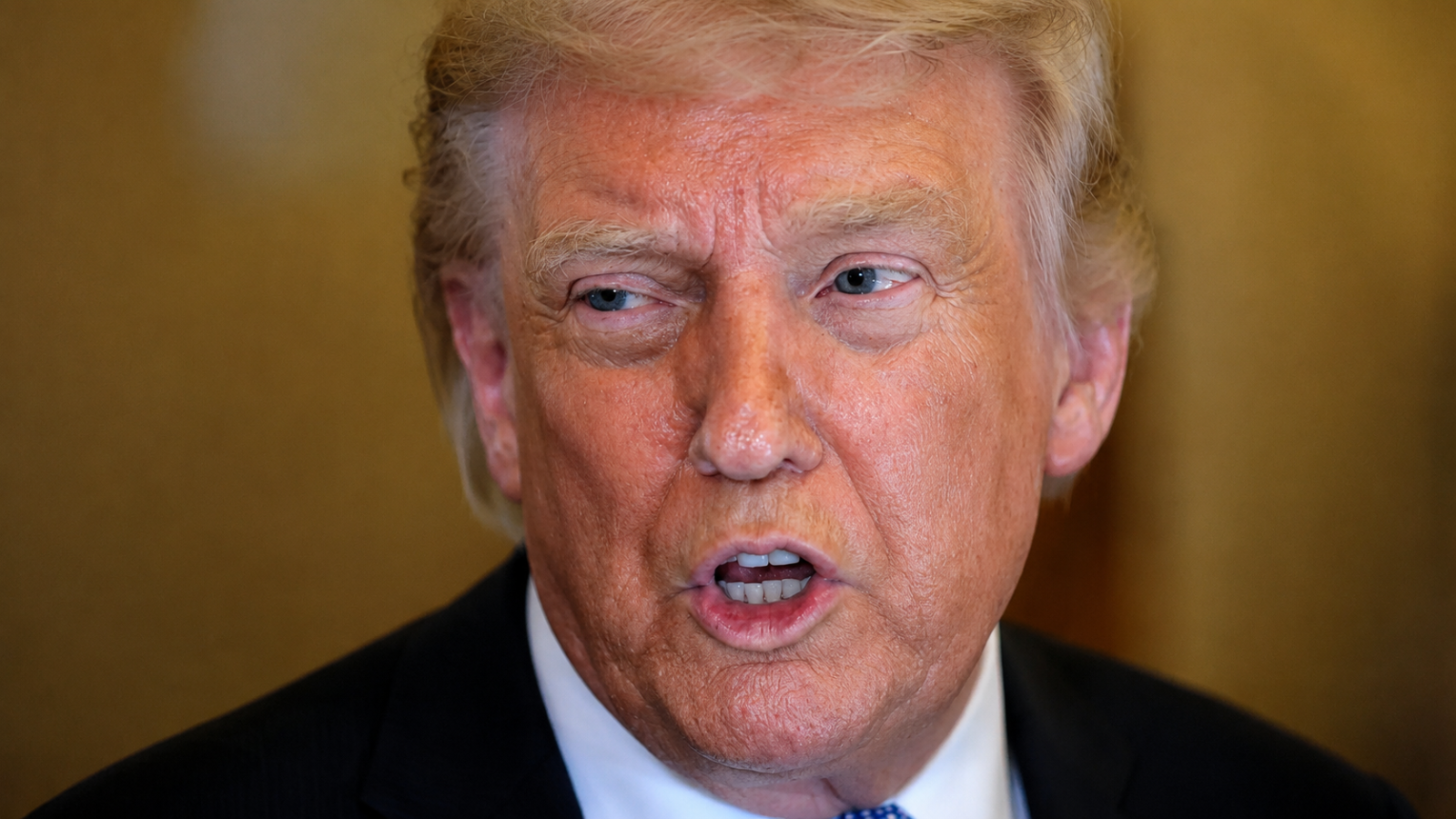
Trump Issues Strong Warning to Iran
Trump warns Iran clock is ticking as negotiations between Washington and Tehran continue to slow down, increasing fears that the fragile ceasefire could collapse. US President Donald Trump delivered a strong warning to Iran and urged its leaders to move quickly toward a peace agreement before the situation worsens further.In a message posted on his Truth Social platform, Trump said Iran should “get moving, FAST,” while warning that there may soon be “nothing left of them” if negotiations fail. He ended the message by saying, “TIME IS OF THE ESSENCE!”The statement immediately attracted global attention and highlighted growing tensions between the United States, Iran, and Israel as diplomatic efforts struggle to make progress.
Trump and Netanyahu Discuss Regional Tensions
Trump’s warning came shortly after he reportedly held talks with Israeli Prime Minister Benjamin Netanyahu on Sunday.According to Israeli media reports, the leaders discussed the ongoing conflict, Iran’s nuclear activities, and the stalled peace negotiations. Israel has remained one of the strongest supporters of continued pressure on Tehran and has repeatedly warned that Iran’s nuclear programme poses a serious threat to regional security.The latest discussions between Trump and Netanyahu suggest both countries are closely coordinating their approach as tensions continue across the Middle East.
Iran Responds to Latest US Proposal
On Monday, Iran confirmed that it had responded to Washington’s latest proposal regarding a possible peace agreement. Iranian officials said communication with the US was continuing through Pakistani mediators.Iran’s foreign ministry spokesperson stated that Tehran had already shared its concerns and demands with the American side during recent negotiations.However, reports from Iranian media suggested the talks remain deadlocked. The semi-official Mehr news agency claimed the United States had failed to offer any meaningful concessions, creating what it described as a possible “impasse in negotiations.”Iranian officials also rejected claims that Tehran was being unreasonable. Instead, they described their proposals as fair, responsible, and necessary for long-term regional stability.
Iran’s Key Demands During Talks
According to Iranian media reports, Tehran has presented several major conditions during negotiations with the United States
These demands reportedly include:
- An immediate end to military operations across the region
- Removal of the US naval blockade on Iranian ports
- Guarantees that no future attacks will target Iran
- Financial compensation for damage caused during the conflict
- Recognition of Iran’s sovereignty over the Strait of Hormuz
Iran has also linked the talks to the continued Israeli attacks against Iran-backed Hezbollah forces in Lebanon.Iranian officials believe these demands are necessary to protect the country’s national security and economic interests after months of conflict and rising international pressure.
US Conditions for a Peace Agreement
Reports from Iranian media also claim Washington has presented several conditions of its own in response to Tehran’s proposal
The United States reportedly wants Iran to:
- Operate only one nuclear facility
- Transfer its stockpile of highly enriched uranium to the United States
- Significantly reduce nuclear activities for an extended period
One of the biggest disputes between both countries remains Iran’s nuclear programme. While the US previously demanded a complete shutdown, Trump recently hinted he could support a temporary suspension lasting up to 20 years instead.The possible shift in America’s position is being viewed by analysts as an attempt to keep negotiations alive and avoid a return to full-scale conflict.
Ceasefire Remains Under Pressure
The conflict escalated dramatically after Israeli and US forces launched major air strikes on Iran on 28 February. The attacks targeted military and nuclear-related sites, increasing fears of a wider regional war. Although a ceasefire was later introduced to create space for peace talks, tensions remain extremely high. Occasional exchanges of fire have continued despite the truce, raising concerns that fighting could restart at any moment.Earlier this week, Trump described the ceasefire as being on “massive life support” after rejecting Iran’s latest demands.
Strait of Hormuz Crisis Impacts Global Markets
Another major issue in the conflict is Iran’s control over the Strait of Hormuz, one of the world’s most important oil shipping routes.Nearly 20% of global oil and liquefied natural gas supplies pass through the narrow waterway. Iran’s continued control over the strait has raised fears of disruptions to global energy supplies.The tensions have already pushed international oil prices higher, increasing economic pressure on countries around the world.The United States has also continued enforcing a naval blockade on Iranian ports in an effort to pressure Tehran into accepting Washington’s conditions.
Pakistan Continues Mediation Efforts
Pakistan has continued playing a key role as a mediator between the United States and Iran. Diplomatic officials from both sides have relied on Pakistani channels to exchange proposals and messages during negotiations.Despite ongoing discussions, major disagreements still remain unresolved. Analysts believe reaching a final agreement may take time as both sides continue demanding major concessions. For now, diplomatic efforts continue while the world watches closely to see whether peace talks succeed or tensions move the region closer to another major conflict.
Read more here:
BBC News Report