

US and Iran Trade Strikes as Gulf Tensions Escalate
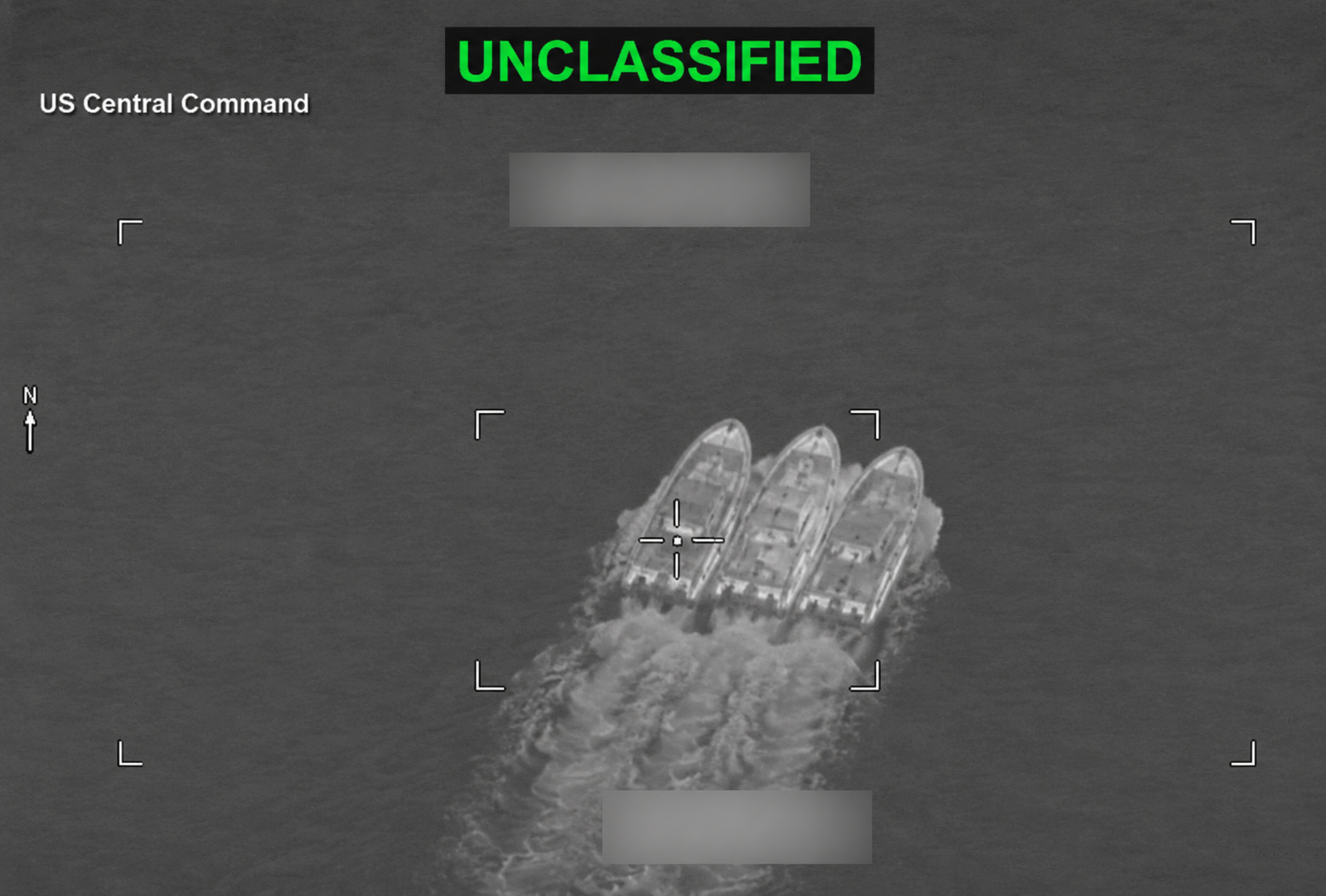
US and Iran trade strikes have sharply escalated tensions in the Gulf region after a series of attacks on oil tankers in the Strait of Hormuz triggered military retaliation from both sides.The latest confrontation marks the most serious exchange of fire between Washington and Tehran since the two countries signed an interim memorandum of understanding (MoU) in June aimed at reducing hostilities and creating a path toward a permanent agreement.US Central Command (Centcom) announced that American forces launched what it described as powerful retaliatory strikes against more than 80 Iranian targets, including air defence systems, coastal radar installations, missile launch sites, command centres and fast attack boats.The US said the operation was a direct response to attacks on three commercial oil tankers in the Strait of Hormuz, one of the world’s most important shipping routes for energy supplies.
Iran Retaliates With Strikes on US Sites
Iran responded on Wednesday by launching missiles and drones at US military facilities in Bahrain and Kuwait, according to Iranian officials.The Islamic Revolutionary Guard Corps (IRGC) claimed that attacks targeted 85 key American military sites, including a US Navy headquarters in Bahrain and an air base in Kuwait.Iranian state media reported that one IRGC member, Mohammadreza Khazini, was killed while responding to what authorities described as enemy drone activity.Kuwait condemned the strikes, accusing Iran of carrying out repeated attacks against its territory.
Oil Prices Rise as Markets React
Financial markets reacted quickly to the renewed conflict.Brent crude oil rose by more than 3%, reaching around $76 per barrel, as traders worried that further disruption in the Strait of Hormuz could affect global energy supplies.The narrow waterway handles a significant share of the world’s oil and gas shipments, making any military confrontation in the area a major concern for global markets.
Nato Chief Backs US Response
Nato Secretary-General Mark Rutte defended the American strikes during the alliance’s summit in Ankara, Turkey.I think it was absolutely necessary,Rutte said, arguing that Iran had effectively violated the ceasefire by allowing attacks on commercial shipping.He added that it was crucial for the United States to react forcefully in order to protect international maritime traffic.
Sanctions Dispute Deepens Crisis
At the same time, Washington announced that it was revoking a temporary suspension of sanctions on Iranian oil sales. Iranian parliamentary speaker Mohammad Bagher Ghalibaf accused the US of violating the June memorandum, arguing that Washington had breached multiple commitments, including arrangements related to sanctions relief and maritime issues. The era of bullying and extortion is over. We don’t fold,Ghalibaf declared.
Targets Hit Across Southern Iran
Iranian media said American strikes hit areas including Qeshm Island, Bandar Abbas and Sirik.Reports indicated that several civilians were injured by shrapnel, although the full extent of the damage remains unclear. Centcom said the strikes were intended to impose heavy costs for attacks on commercial shipping in international waters. In addition to military infrastructure, US forces reportedly destroyed around 60 fast boats used by Iranian forces.
Tanker Attacks Triggered the Escalation
The current crisis began after multiple commercial vessels were struck in or near the Strait of Hormuz.Maritime security agencies reported fires, structural damage and projectile impacts on several tankers.Qatar and Saudi Arabia both accused Iran of targeting vessels connected to their countries.Tehran denied deliberately attacking commercial shipping and argued that vessels using routes not coordinated with Iranian authorities faced increased risks of accidents and collisions.
Peace Talks Now in Doubt
Negotiations aimed at reaching a permanent agreement between the US and Iran had already slowed due to funeral ceremonies for former Supreme Leader Ayatollah Ali Khamenei, who was killed during earlier US-Israeli strikes.With both sides now exchanging military attacks, it remains unclear when diplomatic talks will resume.Iran’s deputy foreign minister warned that Tehran would take decisive measures in response to what it considers violations of the memorandum.
Why the Strait of Hormuz Matters
The Strait of Hormuz sits between Iran and the Arabian Peninsula and connects the Persian Gulf to global shipping routes.Any disruption there can affect oil prices, shipping costs and energy security around the world.Under the June memorandum, Iran and Oman were expected to hold discussions with Gulf states on the future administration of maritime services in the strait.Iran has also promoted the idea of a Persian Gulf Strait Authority that would oversee safe passage permits and maritime management.
A Fragile Ceasefire Under Threat
The renewed confrontation shows how fragile the US-Iran ceasefire remains.Despite earlier hopes for a broader settlement, tanker attacks, sanctions disputes and military retaliation have pushed the two sides back toward open confrontation.With oil markets watching closely and regional powers increasingly concerned about the security of shipping lanes, the latest round of US and Iran trade strikes has raised fears that the Gulf could face an even wider crisis if diplomacy fails to restart.